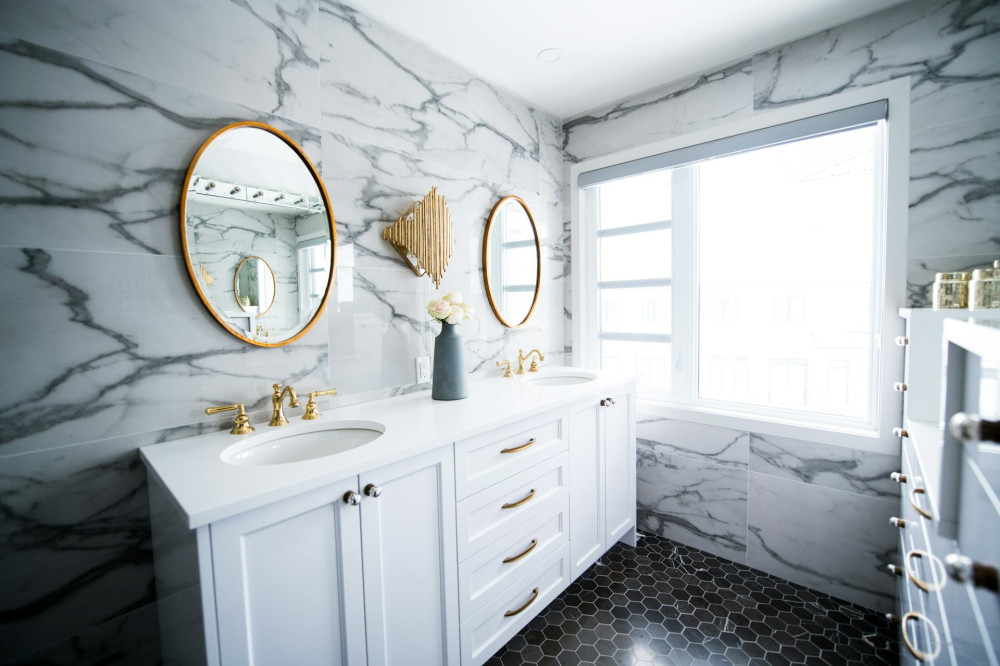
Light, Air, and Movement – Creating Healthy Spaces at Home and Work


Transform your everyday surroundings into spaces that boost health, focus, and well-being
Health
Health
7 min
Discover how light, air, and movement can make your home and workplace healthier and more inspiring. Learn simple ways to enhance your environment, improve your energy, and create balance in the spaces where you spend most of your time.
Delilah Lee
Delilah
Lee

Light, Air, and Movement – Creating Healthy Spaces at Home and Work

Transform your everyday surroundings into spaces that boost health, focus, and well-being
Health
Health
7 min
Discover how light, air, and movement can make your home and workplace healthier and more inspiring. Learn simple ways to enhance your environment, improve your energy, and create balance in the spaces where you spend most of your time.
Delilah Lee
Delilah
Lee

Most of us spend the majority of our time indoors—at home, in the office, or commuting between the two. The spaces we inhabit have a profound impact on our health, energy, and mood. Light, air, and movement are three simple yet powerful elements that shape how we feel and function every day. Here’s how you can use them to create healthier, more inspiring environments—whether you’re working from home or in a shared office.

Light – more than just illumination

Light influences our body clock, mood, and productivity. Too little daylight can lead to fatigue and low concentration, while the right lighting can boost energy and well-being.

  • Make the most of natural light: Position your desk near a window and keep blinds open during the day. Even on cloudy days, natural light is brighter and more balanced than most artificial sources.
  • Choose the right artificial lighting: Use warm, soft light in areas meant for relaxation, and cooler, brighter light in work zones like your desk or kitchen.
  • Support your body’s rhythm: Bright light in the morning and dimmer light in the evening help your body maintain a healthy sleep-wake cycle.

Good lighting isn’t just about visibility—it’s about creating balance between focus and rest.

Air – freshness fuels focus

Indoor air quality plays a major role in how we feel. Stale air, dust, and high CO₂ levels can cause headaches, tiredness, and poor concentration. Fortunately, a few simple habits can make a big difference.

  • Ventilate regularly: Open windows for a few minutes several times a day to let fresh air circulate. This helps lower CO₂ levels and refreshes your mind.
  • Add plants: Houseplants can improve air quality and bring a sense of calm to your space.
  • Limit chemicals: Choose cleaning products without strong fragrances or aerosols, and avoid scented candles that can release pollutants.

If you work in an office, step outside for a short break once or twice a day. A few minutes of fresh air can reset your focus and energy.

Movement – small steps, big impact

Many of us sit for long stretches, which can strain both body and mind. Movement doesn’t have to mean intense workouts—it’s about adding variety and activity to your day.

  • Change positions often: Use a sit-stand desk, or stand during phone calls and meetings.
  • Take microbreaks: Stretch, walk around the building, or do a few simple exercises at your desk.
  • Make your commute active: Walk or bike when possible, or park a little farther away to add extra steps.

Even small bursts of movement improve circulation, lift your mood, and reduce the risk of lifestyle-related health issues.

Creating harmony in your environment

Light, air, and movement work best together. A bright, well-ventilated room naturally encourages activity, while movement itself increases awareness of your surroundings. Consider how you can design your home or workspace to support healthy habits:

  • Keep open areas where you can move freely.
  • Use light colors and natural materials that reflect light and create a sense of calm.
  • Place plants strategically to enhance both aesthetics and air quality.
  • Create small “pause zones” where you can breathe deeply and recharge.

When your physical environment supports your body, your mind also thrives.

An investment in well-being

Designing healthy spaces isn’t just about comfort—it’s an investment in your energy, health, and quality of life. Small adjustments in light, air, and movement can have immediate effects, helping you feel more balanced and focused. Whether you work from home, in an office, or on the go, you can shape your surroundings to strengthen both body and mind.

Health in Nature: How Outdoor Living Benefits Both Body and Mind
Discover how spending time outdoors can rejuvenate your body and calm your mind
Health
Health
Health
Nature
Wellness
Outdoor Living
Mental Health
5 min
From reducing stress to improving fitness and focus, nature offers powerful benefits for overall well-being. Learn how outdoor living can help you feel healthier, happier, and more connected every day.
Nolan Sanchez
Nolan
Sanchez
Getting Enough Vitamins and Minerals as a Vegetarian or Vegan
Stay healthy and energized on a plant-based diet with the right nutrients
Health
Health
Vegetarian
Vegan
Nutrition
Healthy Eating
Plant-Based Diet
4 min
Thinking about going vegetarian or vegan—or already made the switch? Learn how to get all the essential vitamins and minerals your body needs through smart food choices, meal planning, and supplements when necessary.
Journey Torres
Journey
Torres
Light, Air, and Movement – Creating Healthy Spaces at Home and Work
Transform your everyday surroundings into spaces that boost health, focus, and well-being
Health
Health
Well-being
Interior Design
Healthy Living
Workplace
Home Environment
7 min
Discover how light, air, and movement can make your home and workplace healthier and more inspiring. Learn simple ways to enhance your environment, improve your energy, and create balance in the spaces where you spend most of your time.
Delilah Lee
Delilah
Lee
The Immune System as the Body’s Natural Repair System
Discover how your immune system not only defends against illness but also repairs and renews your body every day
Health
Health
Immune System
Health
Body Repair
Wellness
Healing
4 min
The immune system is more than a shield against infections—it’s a vital repair network that keeps your body functioning smoothly. Learn how it detects damage, restores tissues, and how lifestyle choices can strengthen its natural healing power.
Nolan Evans
Nolan
Evans
Screen Time with Care: How to Build Healthy Habits Without Conflict
Build balanced screen habits that support connection, rest, and well-being
Health
Health
Screen Time
Digital Wellbeing
Parenting
Family Life
Healthy Habits
6 min
Discover practical ways to manage screen time for the whole family without arguments or guilt. Learn how to set shared guidelines, lead by example, and create a healthy balance between online and offline life.
Alexis Cruz
Alexis
Cruz
Small Irritations? How to Turn Them Into Something Positive in Your Relationships
Turn everyday annoyances into opportunities for deeper understanding and stronger bonds
Lifestyle
Lifestyle
Relationships
Communication
Personal Growth
Emotional Intelligence
Conflict Resolution
6 min
Small irritations are inevitable in any relationship—but they don’t have to drive you apart. Learn how to recognize what’s behind those little frustrations and transform them into moments of growth, empathy, and connection.
Nolan Sanchez
Nolan
Sanchez
Find Meaning in Everyday Life Through Small Actions
Discover how small, mindful actions can bring deeper meaning to your everyday life
Lifestyle
Lifestyle
Mindfulness
Personal Growth
Wellbeing
Everyday Life
Purpose
7 min
In a world that often measures worth by achievement and speed, it’s easy to overlook the quiet moments that truly matter. This article explores how simple, intentional actions can help you reconnect with purpose, presence, and fulfillment in daily life.
Journey Torres
Journey
Torres
Saying No with Care – An Important Part of Your Self-Care
Learn how to set healthy boundaries and protect your energy without guilt
Lifestyle
Lifestyle
Self-Care
Boundaries
Mental Health
Personal Growth
Well-Being
5 min
Discover why saying no is an essential act of self-care. This article explores how to decline requests with kindness, respect your own limits, and nurture more balanced relationships—so you can say yes to what truly matters.
Delilah Lee
Delilah
Lee