New Friendships in Adulthood – Building Community Through Hobbies


New Friendships in Adulthood – Building Community Through Hobbies
Making new friends as an adult can feel surprisingly difficult. Between work, family, and daily routines, there’s often little room for spontaneous connections. Yet the need for companionship and belonging remains as strong as ever. The good news is that hobbies and shared interests can be a natural and rewarding way to meet new people and build meaningful relationships.
Why It Can Be Harder to Make Friends as an Adult
As adults, we tend to be more selective with our time and relationships. Many people already have established social circles, and it can feel awkward to reach out or start fresh. Life transitions—such as moving to a new city, changing jobs, or going through a divorce—can also disrupt existing networks.
But it’s important to remember that many adults are in the same situation. Surveys in the U.S. show that a significant number of people wish they had more close friends but aren’t sure where to begin. Hobbies and community activities can provide a comfortable setting to meet others without the pressure of forced socializing.
Læs også:


Shared Interests Create Common Ground
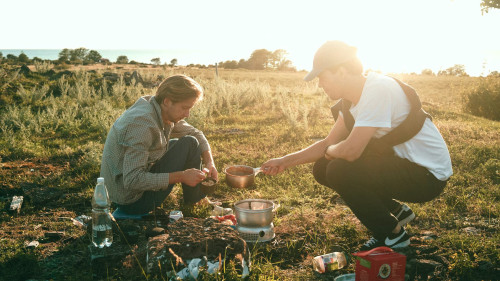
When people come together around an activity, conversation and connection often happen naturally. It’s not about “finding friends” but about sharing an experience. Whether it’s joining a local softball league, taking a cooking class, volunteering at a community garden, or learning pottery, shared interests create a foundation for genuine interaction.
Through these activities, you get to know others by doing something together—laughing, learning, and collaborating. This makes it easier to build trust and discover who you truly connect with.
Inspiration: Activities That Bring People Together
There are countless ways to get involved, depending on your personality and interests. Here are a few ideas:
- Sports and fitness: Join a recreational soccer team, a yoga studio, a hiking group, or a dance class. Physical activity boosts both energy and connection.
- Creative communities: Try painting, photography, writing workshops, or music groups. Creative spaces encourage conversation and self-expression.
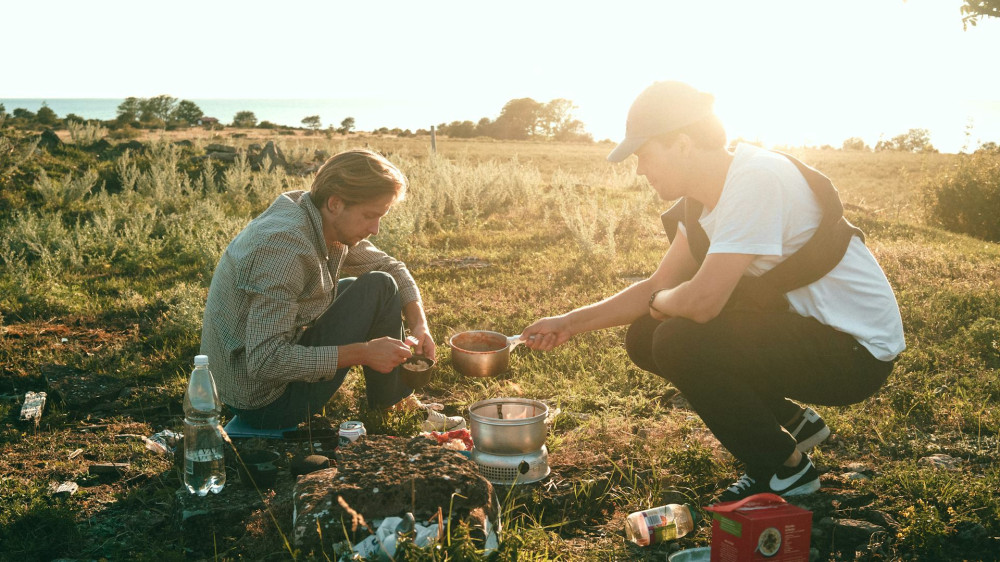
- Outdoor adventures: Explore local parks, kayaking clubs, or birdwatching groups. Nature has a way of bringing people together.
- Volunteering: Help at a food bank, mentor youth, or participate in neighborhood cleanups. Volunteering attracts people who care about making a difference.
- Food and culture: Join a supper club, a wine-tasting group, a book club, or a film discussion night. Shared meals and stories often lead to lasting friendships.
The key is to choose something that feels meaningful and enjoyable to you. When you’re genuinely interested, connection follows more easily.
Take the First Step – and Be Patient
Building new relationships takes time. It can be intimidating to show up somewhere new, but most people find it gets easier after the first few times. Attend regularly, show curiosity about others, and be open to small talk. Friendships rarely form overnight—they grow through repeated encounters and shared experiences.
If it feels daunting to go alone, invite a coworker or neighbor to join you. Having a familiar face can make the first step less overwhelming.
The Power of Community for Well-Being
Research consistently shows that strong social connections are vital for both mental and physical health. People with supportive communities tend to live longer, experience less stress, and report higher life satisfaction. Building friendships isn’t just enjoyable—it’s an investment in your overall well-being.
Being part of a community also provides a sense of purpose and belonging. It reminds us that we’re not alone, even in a busy, digital world.
A New Chapter – With Room for New People
Friendships in adulthood may look different from those in our younger years, but they can be just as deep and fulfilling. They’re often built on shared values, mutual respect, and genuine support—and they can appear when you least expect them.
So the next time you consider trying a new hobby, think of it not only as a pastime but as an opportunity to open the door to new connections. Community begins with a single step—and sometimes, with a smile shared over a common interest.
Læs også: