Solo Travel in Nature – Find Peace, Freedom, and Renewed Energy Alone

Solo Travel in Nature – Find Peace, Freedom, and Renewed Energy Alone
Taking a solo trip into nature can feel like a big step—especially if you’re used to traveling with others. But venturing out on your own offers a rare chance to disconnect, slow down, and rediscover yourself in the quiet rhythm of the natural world. Whether you choose a weekend in a national park, a few days camping by a lake, or a long hike through the mountains, solo travel in nature can bring a sense of freedom and renewed energy that only solitude and the outdoors can provide.
Why Travel Alone?
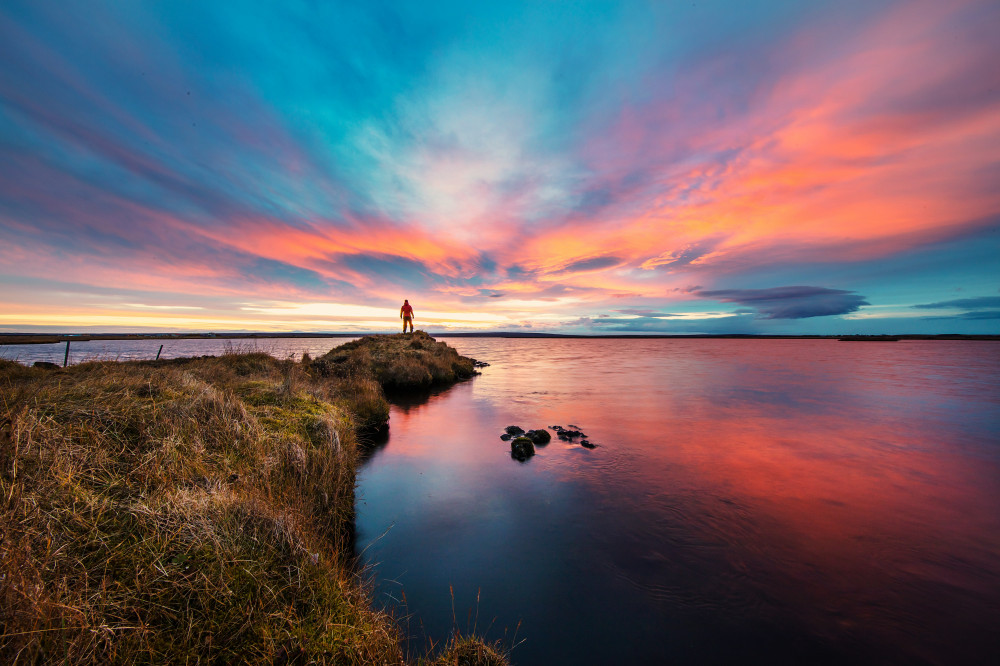
Many people associate vacations with social activities, but solo travel is about something different: being fully present without distractions. When you’re alone, you set the pace. You decide when to wake up, how far to hike, and when to simply sit still and listen to the wind in the trees.
For many, it becomes a kind of mental reset. Without constant conversation, screens, or schedules, your thoughts begin to settle. You may find clarity, inspiration, and a deeper connection to both nature and yourself.
Læs også:

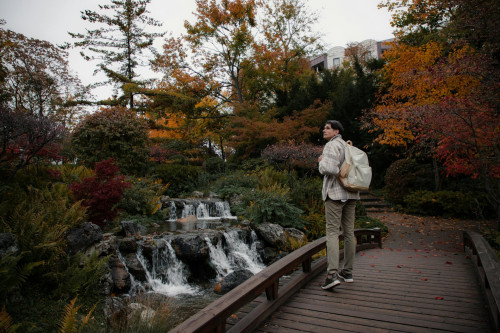
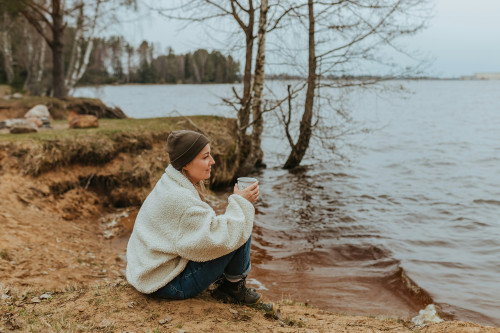
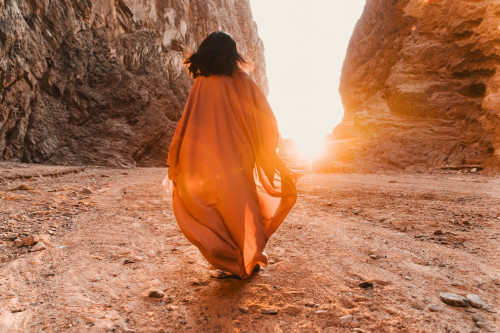
Choosing the Right Destination
A great solo trip starts with choosing a destination that fits your comfort level and experience.
- National and State Parks – Ideal for beginners who want well-marked trails, ranger support, and designated campsites. Places like Shenandoah, Yosemite, or the Great Smoky Mountains offer both solitude and safety.
- Coastal Trails and Beaches – Perfect if you crave open horizons and the sound of the ocean. Try the Oregon Coast Trail or the Outer Banks in North Carolina.
- Mountains and Wilderness Areas – For the more experienced traveler seeking challenge and breathtaking views. The Rockies, the Sierra Nevada, or the Adirondacks offer endless opportunities for adventure.
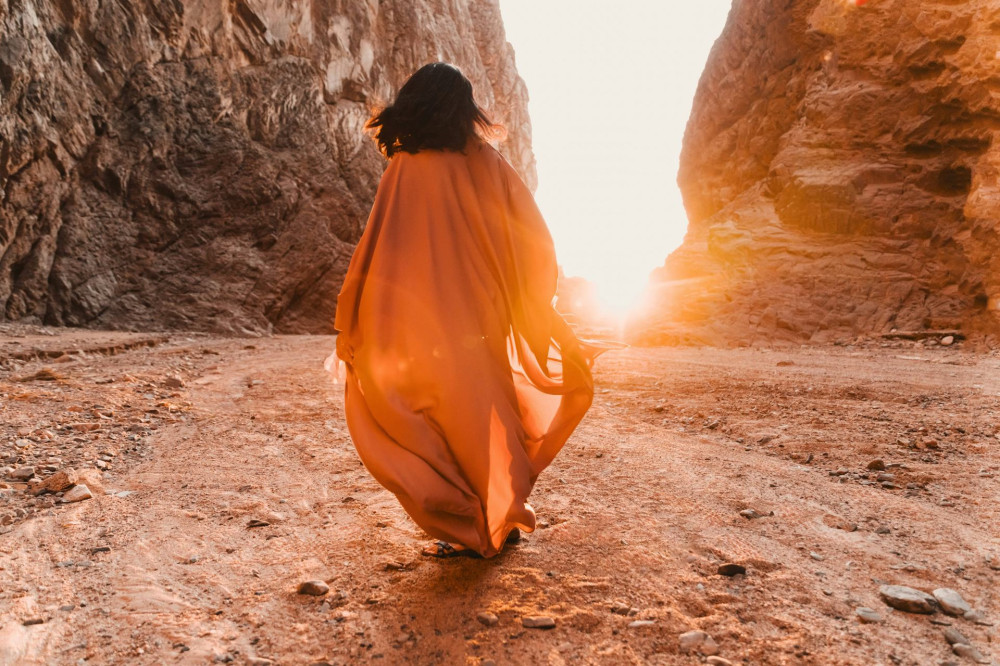
- Deserts and Canyons – If you’re drawn to wide-open spaces and dramatic landscapes, consider Utah’s red rock country or Arizona’s canyon trails.
Think about how remote you want to be. Some people thrive on complete solitude with no cell service, while others prefer to stay within reach of a small town or campground.
Preparation and Safety
Solo travel is about freedom, but it also requires planning. Always let someone know where you’re going and when you expect to return. Bring a map, compass, or GPS, and make sure your phone is charged—consider carrying a power bank or solar charger.
Pack light but smart. Essentials include:
- Layered clothing for changing weather.
- Easy-to-prepare food and plenty of water.
- A first-aid kit and flashlight or headlamp.
- A reliable tent or sleeping bag if you’re camping.
If you’re new to solo outdoor trips, start small—perhaps a single overnight close to home. It’s a great way to build confidence before heading farther afield.
Learning to Enjoy Solitude
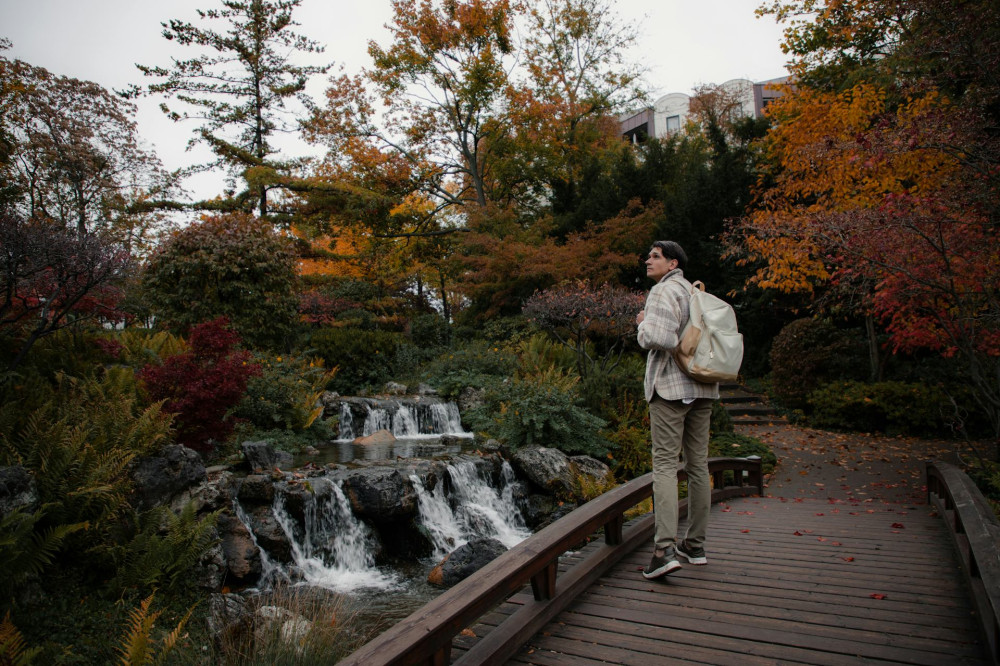
Being alone in nature can feel unfamiliar at first. The silence may seem overwhelming, but soon you’ll start to notice the details: the rustle of leaves, the scent of pine, the way the light shifts through the day.
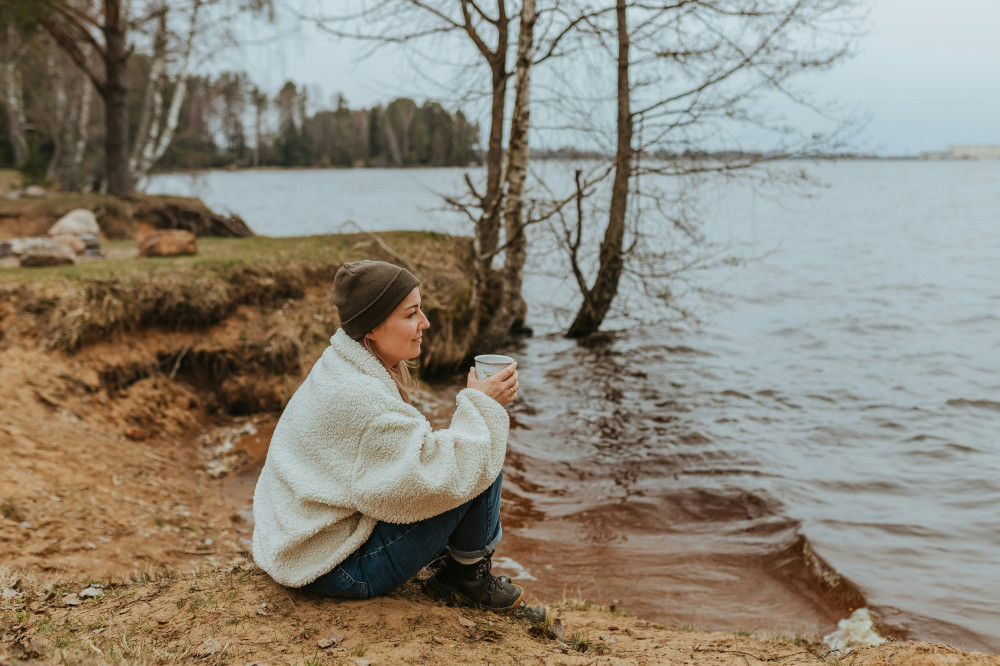
Use the time to do things you rarely have space for. Write in a journal, read a book, cook over a campfire, or take a slow walk with no destination. Without the need to coordinate with others, you can follow your own rhythm—and discover how peaceful that can be.
Nature as a Mirror
Many solo travelers find that nature acts as a mirror. Thoughts and emotions that are usually buried under daily noise rise to the surface. It can be challenging, but also deeply rewarding.
Being alone outdoors isn’t just about relaxation—it’s about meeting yourself. You learn to trust your instincts, handle small challenges, and find joy in simplicity. That self-reliance and calm often stay with you long after you return home.
Making the Experience Meaningful
Even though you’re traveling alone, you can still share the experience. Take photos, record short videos, or jot down reflections to look back on later. Some travelers combine their solo trips with a personal project—learning outdoor cooking, practicing photography, or meditating each morning.
When you return, you may realize you’ve gained more than just a break. You’ve reconnected with what matters most, and you carry home a sense of clarity and renewed energy. Nature has a way of resetting us—especially when we give ourselves permission to simply be.
A Pause That Gives Back
A solo trip in nature isn’t an escape from everyday life—it’s a way to return to it with greater balance and strength. You get time to reflect, to breathe, and to rediscover the joy of simplicity.
Whether it’s a weekend in the woods or a week in the mountains, the reward is the same: peace, freedom, and a deeper connection to yourself and the world around you.
Læs også: