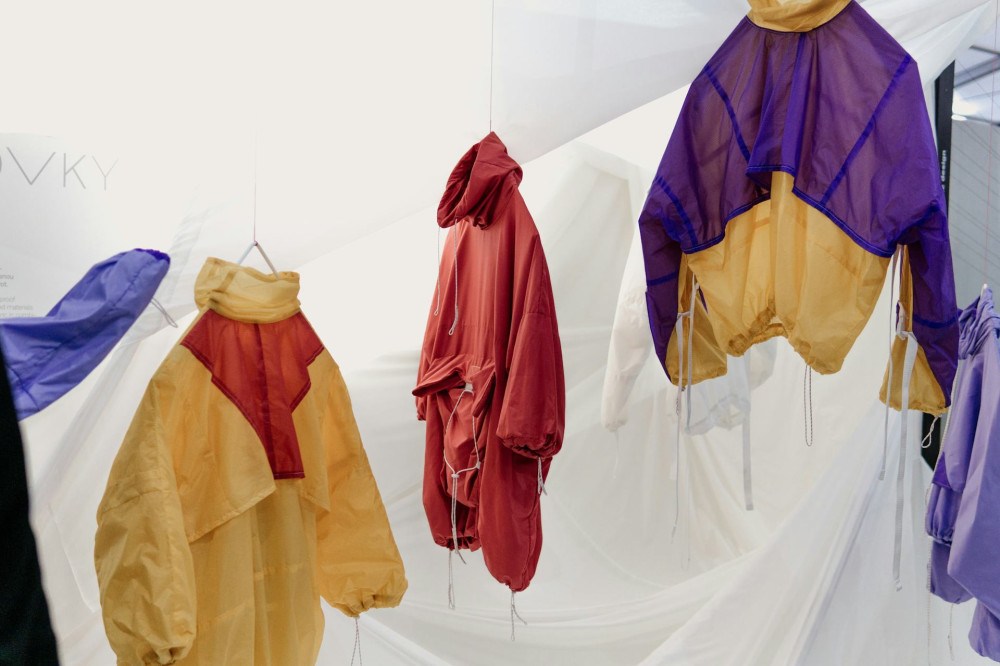
Circular Fashion: Developing New Materials for a Sustainable Future

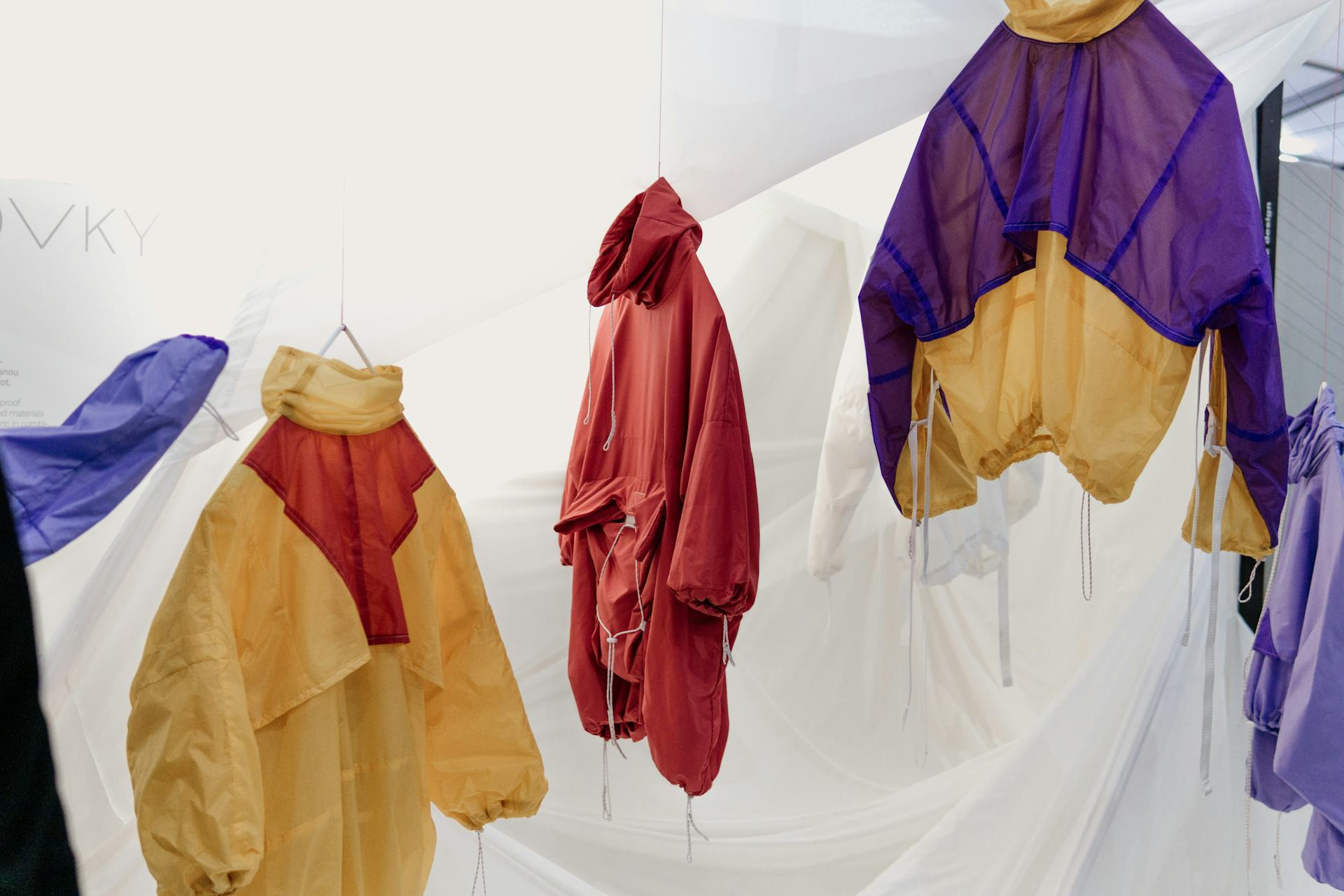
Circular Fashion: Developing New Materials for a Sustainable Future
The fashion industry is undergoing a transformation. For decades, clothing production has been associated with overconsumption, waste, and environmental harm. But as consumers, designers, and manufacturers become more aware of fashion’s climate impact, interest in circular fashion is growing. It’s not just about recycling or repairing—it’s about rethinking the entire value chain, from fiber to finished garment. New materials are at the heart of this shift and may hold the key to a more sustainable future for fashion.
From Linear to Circular Thinking
Traditionally, the fashion industry has operated on a linear model: raw materials are extracted, garments are produced, worn briefly, and then discarded. The circular model turns this system upside down. It designs products for longevity, reuse, and recyclability, aiming to keep materials in continuous circulation and minimize waste.
Achieving this requires innovation—especially in developing textiles that meet high standards of quality, aesthetics, and sustainability.
New Materials with a Lower Carbon Footprint
Across the United States, research institutions, startups, and established brands are investing in materials that can replace resource-intensive fibers like cotton and polyester. Some of the most promising developments include:
- Bio-based textiles – Materials made from agricultural waste, algae, or fungi are gaining traction. Mycelium leather, for example, is grown from mushroom roots and offers a cruelty-free, low-impact alternative to animal leather.
- Recycled polyester – By transforming plastic waste, such as used bottles, into new fibers, manufacturers can significantly reduce CO₂ emissions compared to virgin polyester.
- Cellulose fibers from textile waste – Technologies like Refibra and Circulose dissolve old cotton fabrics and turn them into new fibers suitable for everything from shirts to dresses.
- Bioplastics and biodegradable synthetics – Scientists are developing synthetic fibers that can naturally decompose without leaving behind microplastics.
While many of these materials are still in development, they demonstrate that the future of fashion can be both innovative and responsible.
Designing for Reuse and Recycling
Materials are only part of the equation. To achieve true circularity, the design process itself must evolve. This means creating garments that are easy to disassemble, repair, and recycle. Some brands are experimenting with modular designs, allowing parts of a garment to be replaced, while others focus on monomaterials—clothing made from a single fiber type, which simplifies recycling.
Digital design and 3D printing are also becoming essential tools. By simulating fit and fabric use digitally, designers can reduce waste and produce more accurate collections.
The Consumer’s Role
Circular fashion isn’t just about how clothes are made—it’s also about how they’re used. Consumers play a crucial role in extending the life of garments. Many U.S. brands now offer repair services, trade-in programs, and resale platforms, while secondhand and rental markets are expanding rapidly.
Choosing quality over quantity, washing gently, and repairing instead of discarding are small actions that collectively make a big difference. The circular mindset begins in the closet.
Læs også:




Challenges and Opportunities
Despite progress, challenges remain. Many new materials are expensive to produce, and recycling technologies are not yet scaled globally. Collaboration across the entire supply chain—from agriculture and textile production to retail and waste management—is essential.
Yet the potential is enormous. If the fashion industry can successfully transition, it could become a driving force for innovation and environmental progress. Circular fashion is not just a trend—it’s a necessary step toward a future where style and sustainability coexist.
A New Era for Fashion
The development of new materials shows that fashion doesn’t have to harm the planet. Creativity, technology, and responsibility can come together to create a new era in which clothing is designed to last—and to return to the cycle again and again.
Circular fashion is more than an ideal; it’s a movement already underway. And the more people who join—from designers to consumers—the faster we can stitch together a sustainable future for fashion.
Læs også: