Play with Contrasts: Create an Eye-Catching Look with Fabric and Cut


Play with Contrasts: Create an Eye-Catching Look with Fabric and Cut
When it comes to style, it’s not just about color or pattern—it’s about contrast. The interplay between different fabrics, textures, and silhouettes can bring depth and personality to your outfit. By mixing opposites, you can create a look that feels both cohesive and visually striking. Here’s how to use contrast in fabric and cut to craft a look that stands out—without feeling overdone.
Why Contrasts Work
Contrasts draw the eye. When soft meets structured, or loose meets fitted, a visual tension emerges that makes an outfit interesting. It’s not about clashing—it’s about balance. The goal is to let differences highlight each other.
Think of pairing a rugged denim jacket with a delicate silk blouse. The roughness of the denim makes the silk appear even more refined—and vice versa. Similarly, a minimalist cut in a heavy wool fabric can feel modern and architectural, while a romantic silhouette in a raw linen adds an unexpected edge.
Play with Fabrics
Fabric choice is one of the most powerful tools for creating contrast. Consider how different textures interact:
- Soft and structured: Try a cozy knit sweater with a sleek leather skirt for a mix of comfort and cool.
- Matte and shiny: A crisp cotton shirt under a satin blazer creates an elegant yet relaxed vibe.
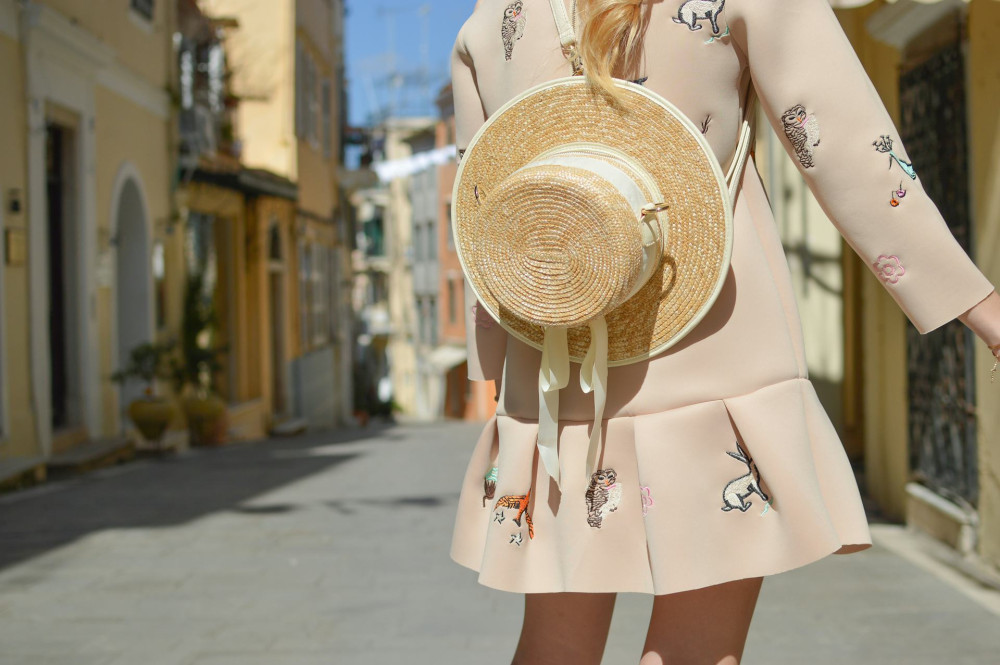
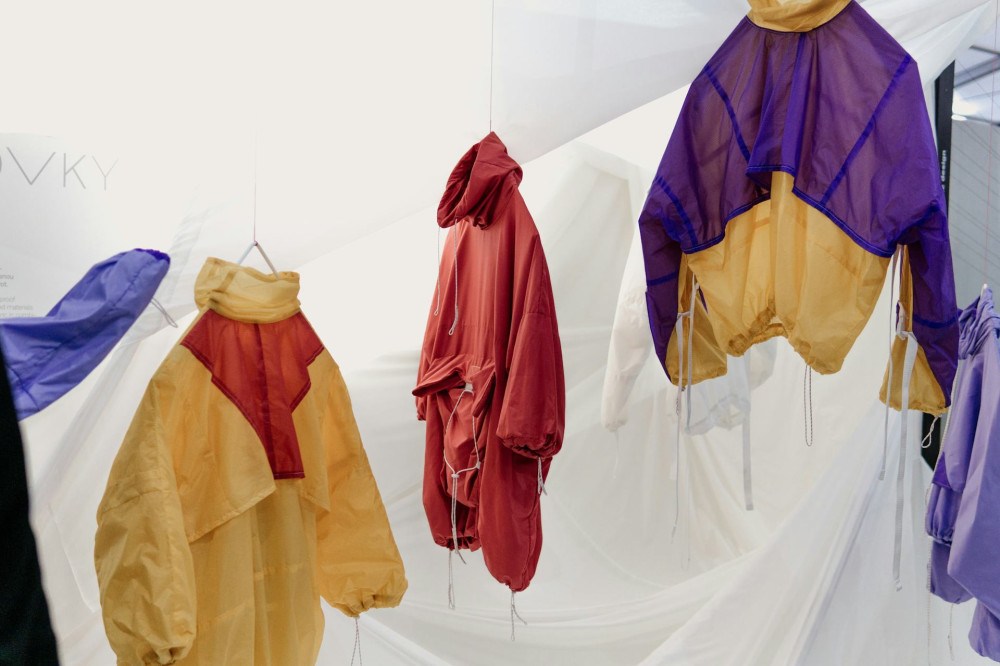
- Natural and technical: Pair organic fabrics like cotton or linen with high-tech materials such as nylon or neoprene for a contemporary twist.
Mixing materials adds layers—both visual and tactile—to your outfit. It makes your look feel dynamic and personal.
Experiment with Cut and Silhouette
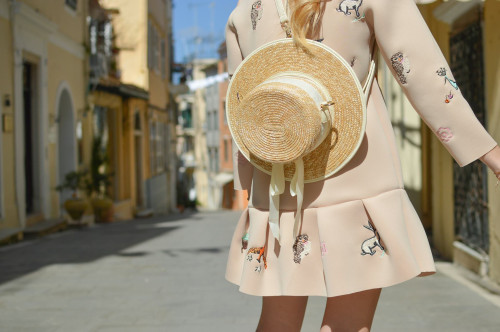
The cut of your clothing is just as important as the fabric. Outfits become more engaging when proportions are played with. Try an oversized shirt with slim pants, or a fitted top with a voluminous skirt.
Contrasts in cut also come from mixing lengths and shapes. A cropped jacket over a long dress, or an asymmetrical skirt paired with a classic blazer, can create a look that feels intentional yet effortless.
For a bolder statement, combine sharp, geometric lines with soft, flowing shapes. The result is a balance between structure and movement—perfect for a modern, fashion-forward aesthetic.
Læs også:



Color as a Supporting Contrast
Even though the focus here is on fabric and cut, color still plays a supporting role. Neutrals like black, white, beige, and gray can emphasize contrasts in texture and form, while bold colors can serve as accents.
A monochromatic outfit—pieces in the same color family—can actually be the perfect canvas for experimenting with texture and silhouette. In this case, the fabric itself becomes the focal point.
Finding the Right Balance
When working with contrasts, balance is key. Too many opposing elements can feel chaotic. Start with one focal point—perhaps a standout texture or a distinctive cut—and build your outfit around it.
A helpful rule of thumb is to think in terms of “energy and calm.” If one element of your outfit is energetic (like a bold pattern or shiny finish), let the others be more subdued. This gives the eye a place to rest and keeps the overall look harmonious.
Contrasts as a Personal Signature
Mastering contrast isn’t just about aesthetics—it’s about self-expression. Maybe you love classic pieces but want to add a touch of edge. Or perhaps you lean toward feminine styles but want to balance them with something more structured.
By experimenting with fabric and cut, you can discover your own visual voice—a look that feels authentically you, yet still surprises. It’s in the contrasts that style truly comes alive.
Læs også: