Cooking Without a Recipe: How to Learn to Improvise in the Kitchen

Cooking Without a Recipe: How to Learn to Improvise in the Kitchen
Being able to cook without a recipe is a kind of freedom many people dream about—but few dare to try. What if it goes wrong? The truth is, improvising in the kitchen isn’t about being reckless; it’s about understanding the basic principles of cooking. Once you know those, you can let go of the recipe and start creating your own dishes. Here’s how to learn to improvise in the kitchen—step by step.
Know Your Core Flavors
Improvisation starts with taste. When you understand how sweet, sour, salty, bitter, and umami flavors interact, you can balance a dish no matter what’s in the pan.
- Sweet comes from ingredients like onions, carrots, honey, or fruit and can soften sharp flavors.
- Sour from lemon, vinegar, or tomatoes adds brightness and balance.
- Salty enhances and ties flavors together.
- Bitter from greens, coffee, or dark chocolate adds depth.
- Umami—the “savory” taste—comes from meat, mushrooms, cheese, or soy sauce and gives richness.
Taste as you go and adjust. A flat-tasting soup might need a splash of vinegar or a pinch of salt. A too-acidic tomato sauce can be mellowed with a touch of sugar.
Learn Techniques, Not Just Recipes
Recipes are useful, but they’re really just examples of how techniques work. Once you understand the technique, you can apply it in countless ways.
- Sautéing: Quick cooking over high heat—great for vegetables, meat, or stir-fries.
- Braising: Slow cooking in liquid—perfect for tougher cuts of meat or root vegetables.
- Baking: Learn the balance between flour, fat, liquid, and leavening so you can adapt breads and cakes.
- Emulsifying: Combining oil and liquid, as in vinaigrettes or mayonnaise.
When you master the techniques, you can swap ingredients freely. You no longer have to follow a recipe word for word—you’ll know what to do to get the result you want.
Use Your Senses
Improvisation isn’t just about knowledge—it’s about trusting your senses. Look, smell, taste, and listen as you cook. A sauce that smells burnt probably needs lower heat. A dough that feels too dry might need more liquid. The more you pay attention, the better you’ll get at adjusting on the fly.
A good habit is to taste your food several times while cooking. That way, you can correct the seasoning before it’s too late—and you’ll learn how flavors develop over time.
Think in Building Blocks
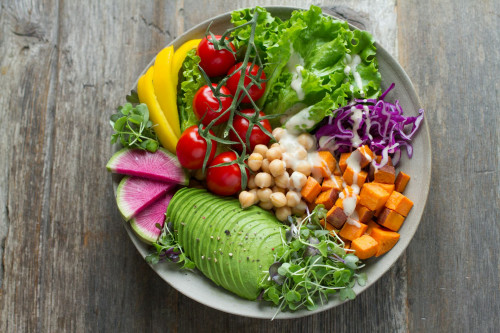
When cooking without a recipe, it helps to think in “building blocks”—basic elements you can mix and match.
- Base: rice, pasta, potatoes, bread, or grains.
- Protein: meat, fish, eggs, beans, or lentils.
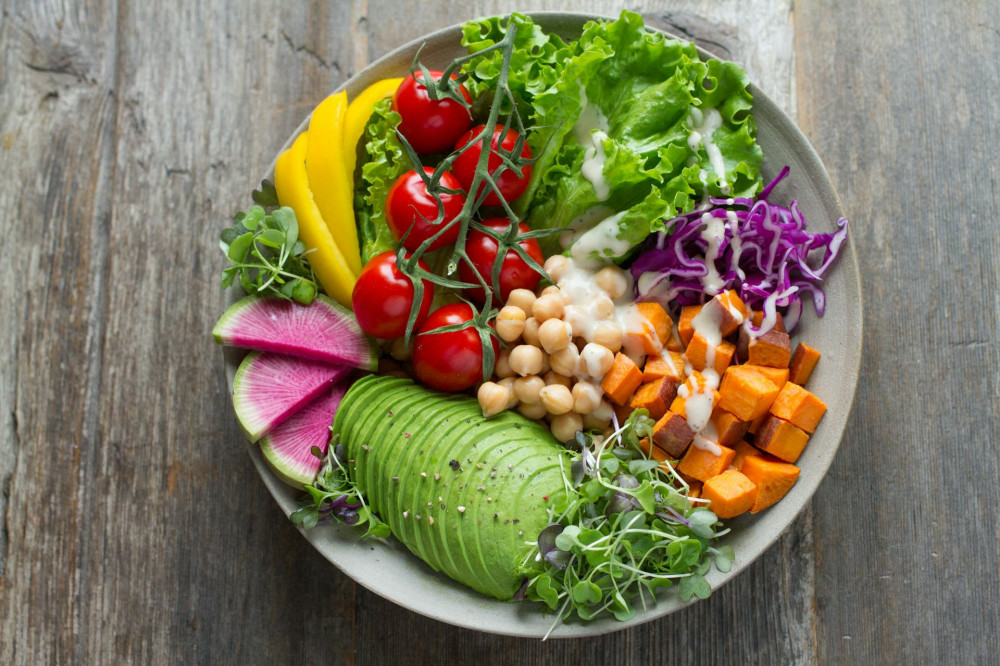
- Vegetables: anything from root veggies to leafy greens and herbs.
- Flavor boosters: onions, garlic, spices, citrus juice, vinegar, soy sauce, chili.
- Fat: oil, butter, cream, or nuts.
Once you understand how these elements work together, the possibilities are endless. Leftover rice can become fried rice with vegetables and eggs, or a creamy risotto with mushrooms and cheese—depending on what’s in your fridge.
Practice with Leftovers
One of the best ways to start improvising is by using leftovers. They give you a starting point and push you to be creative. Leftover chicken can turn into a salad, a sandwich, or a pasta dish. Half a zucchini can become a stir-fry or a pizza topping.
By using what you already have, you learn to see possibilities instead of limitations—and you cut down on food waste at the same time.
Build Your Own Flavor Library
The more you experiment, the better you’ll understand what you like. Take notes on what combinations work and what doesn’t. Maybe you discover that you love a squeeze of lime in almost everything, or that you prefer warm spices like cumin and paprika.
Over time, you’ll build a personal “flavor library” to draw from when improvising. It makes cooking more intuitive—and a lot more fun.
Læs også:
Mistakes Are Part of the Process
No one becomes good at improvising without making mistakes. Some dishes will be amazing, others not so much—and that’s okay. Every time you try something new, you learn how flavor, texture, and technique connect.
The key is to stay curious. Cooking without a recipe isn’t about perfection—it’s about experimenting and enjoying the process.
Freedom in the Kitchen
Once you let go of the recipe, you’ll discover how liberating it is to cook by intuition. You’ll become more flexible, more creative, and more confident in your own taste. It’s not just a practical skill—it’s a way to find joy in everyday life.
So next time you step into the kitchen, leave the cookbook closed. Look in your fridge, trust your senses—and make something that tastes like you.
Læs også: