Eat Mindfully: How Your Food Choices Impact the Environment

Discover how mindful eating can help protect the planet and promote a more sustainable future
Food
Food
5 min
Every meal is an opportunity to make a positive impact. Learn how your everyday food choices influence the environment and find practical tips for eating more sustainably—without sacrificing taste or enjoyment.
Nolan Evans
Nolan
Evans

Eat Mindfully: How Your Food Choices Impact the Environment

Discover how mindful eating can help protect the planet and promote a more sustainable future
Food
Food
5 min
Every meal is an opportunity to make a positive impact. Learn how your everyday food choices influence the environment and find practical tips for eating more sustainably—without sacrificing taste or enjoyment.
Nolan Evans
Nolan
Evans

Every time you fill your grocery cart, you’re making choices that reach far beyond your dinner table. The way we eat affects the climate, water resources, and biodiversity—but the good news is that small changes in our daily habits can make a big difference. This article explores how your food choices impact the environment and how you can eat more sustainably without giving up flavor or enjoyment.

Understanding the Carbon Footprint of Food

When we talk about a food’s carbon footprint, we’re referring to the greenhouse gases released during its production, transportation, and preparation. Some foods require far more resources than others.

  • Beef and lamb have the highest carbon footprints because ruminant animals produce methane and require large amounts of feed and land.
  • Dairy products fall in the middle—they use energy and feed but less than red meat.
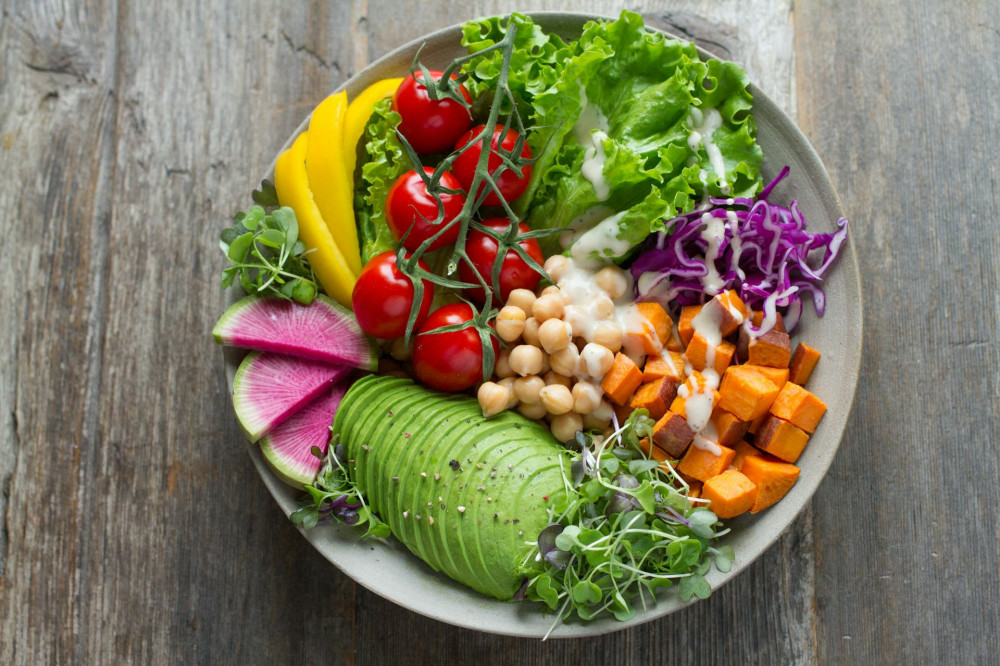
  • Plant-based foods like beans, grains, and vegetables generally have the lowest footprints, especially when grown locally and in season.

By shifting toward more plant-based meals, you can significantly reduce your environmental impact—without necessarily becoming vegetarian.

Eat Seasonally and Locally

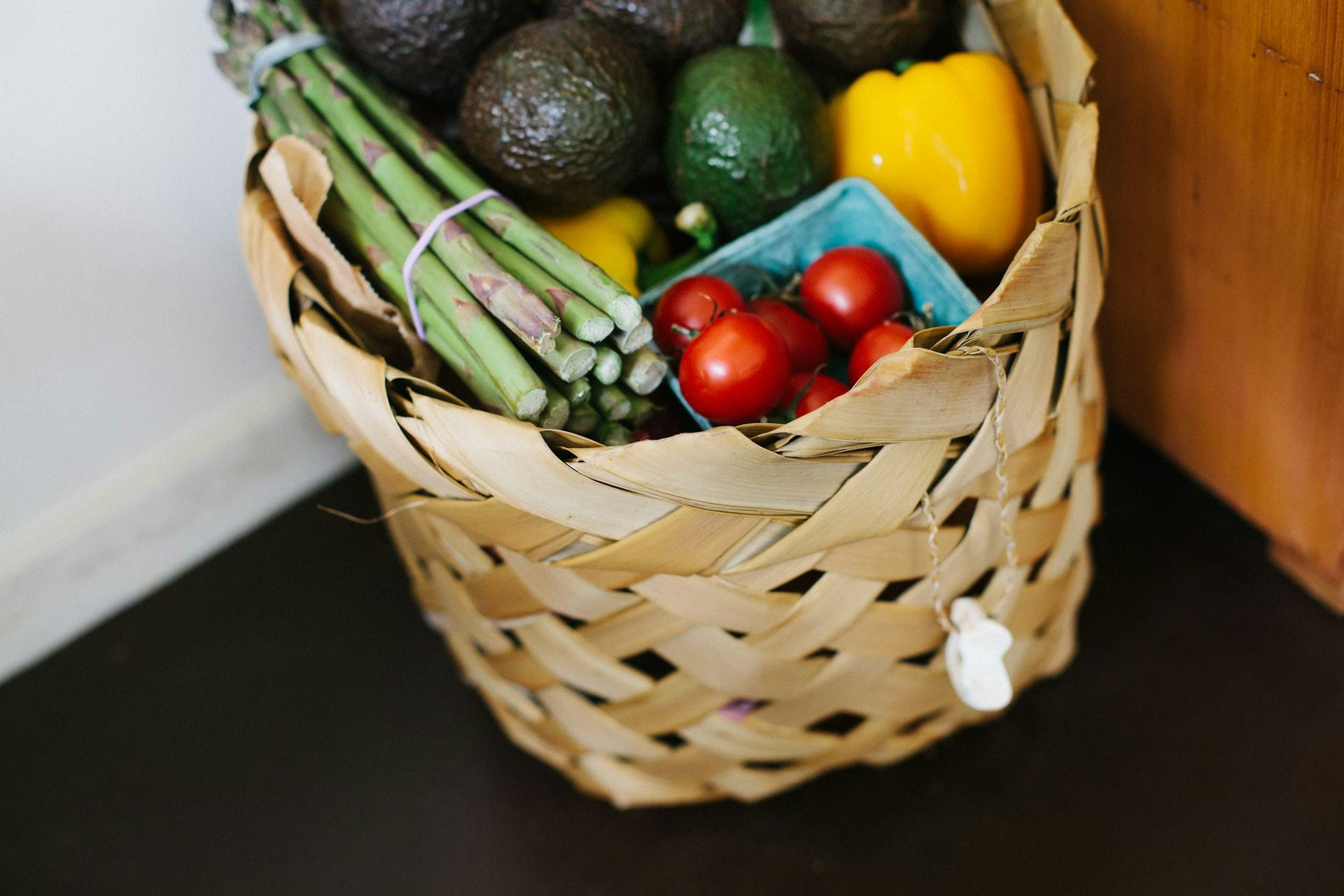
Strawberries in December or tomatoes in January may look tempting, but they often travel thousands of miles or come from heated greenhouses, both of which consume a lot of energy. Eating seasonally means fresher produce and a smaller environmental footprint.

Try building your meals around what’s in season where you live. In winter, that might mean hearty dishes with squash, sweet potatoes, and lentils; in summer, fresh salads, berries, and corn on the cob.

Buying from local farmers’ markets or community-supported agriculture (CSA) programs also helps reduce transportation emissions and supports your local economy.

Cut Down on Food Waste

In the United States, up to 40% of all food goes to waste. That means wasted water, energy, and farmland—not to mention money. Reducing food waste is one of the simplest ways to eat more sustainably.

  • Plan your meals and buy only what you’ll use.
  • Get creative with leftovers—turn extra vegetables into soup or stir-fry, or freeze portions for later.
  • Store food properly to extend its shelf life.
  • Understand “best by” and “use by” dates—many foods are still safe to eat after those dates.

Reducing waste not only helps the planet but also saves you money.

Choose Organic and Regenerative Options When Possible

Organic farming avoids synthetic pesticides and fertilizers, which helps protect soil health and biodiversity. Regenerative agriculture goes a step further by restoring soil and capturing carbon.

While organic products can be more expensive, you can prioritize them where they make the biggest difference—such as fruits, vegetables, and dairy—and buy conventional options for items with lower pesticide use.

Rethink Meat: Quality Over Quantity

You don’t have to give up meat entirely to eat sustainably. Focus on eating less but better meat—ideally from local farms that raise animals humanely and use sustainable practices.

Try making meat a side rather than the centerpiece of your meal. A vegetable stir-fry with a bit of chicken or a grain bowl topped with a few slices of steak can be just as satisfying with a smaller environmental cost.

Choose Seafood Responsibly

Seafood can be a healthy and sustainable choice—if it’s sourced responsibly. Overfishing and destructive fishing methods threaten many species, so look for certifications like MSC (Marine Stewardship Council) for wild-caught fish or ASC (Aquaculture Stewardship Council) for farmed seafood.

Vary your choices, too. Instead of always buying salmon or tuna, try mussels, sardines, or U.S.-caught pollock, which often have lower environmental impacts.

Small Steps, Big Impact

Eating sustainably isn’t about perfection—it’s about awareness. Start with one change at a time: maybe a meatless Monday, buying more local produce, or cutting down on food waste. Over time, these habits add up.

When you eat mindfully, you’re not just nourishing yourself—you’re helping to protect the planet for future generations. Food is more than fuel; it’s a powerful way to care for both your health and the Earth.

Cooking Without a Recipe: How to Learn to Improvise in the Kitchen
Discover the joy of cooking freely by mastering the art of improvisation
Food
Food
Cooking
Kitchen Skills
Food Creativity
Home Cooking
Culinary Techniques
3 min
Learn how to cook confidently without relying on recipes. This guide shows you how to understand core flavors, essential techniques, and sensory cues so you can create delicious meals from what you have on hand—and enjoy true freedom in the kitchen.
Nolan Sanchez
Nolan
Sanchez
Plant-Based Party Menu – How to Create a Delicious and Inviting Spread
Impress your guests with a vibrant, flavorful, and fully plant-based celebration
Food
Food
Plant-Based
Vegan Cooking
Party Menu
Sustainable Eating
Entertaining
7 min
Discover how to plan a plant-based party menu that’s as delicious as it is beautiful. From colorful appetizers to indulgent desserts and perfectly paired drinks, learn how to create a spread that delights every guest and celebrates sustainable dining.
Journey Torres
Journey
Torres
Host a Tasting at Home: Explore Food and Wine Together
Turn your home into a tasting room and discover new flavors with friends
Food
Food
Food Tasting
Wine Pairing
Entertaining
Home Dining
Lifestyle
7 min
Bring people together for a relaxed evening of food and wine exploration. Learn how to plan a theme, choose pairings, and create an interactive tasting experience that delights the senses and sparks conversation.
Delilah Lee
Delilah
Lee
Eat Mindfully: How Your Food Choices Impact the Environment
Discover how mindful eating can help protect the planet and promote a more sustainable future
Food
Food
Sustainable Eating
Environment
Food Choices
Climate Impact
Green Living
5 min
Every meal is an opportunity to make a positive impact. Learn how your everyday food choices influence the environment and find practical tips for eating more sustainably—without sacrificing taste or enjoyment.
Nolan Evans
Nolan
Evans
Small Everyday Food and Wine Experiences – Made Easy
Discover how to turn ordinary meals into delightful moments with simple food and wine pairings
Food
Food
Food And Wine
Everyday Dining
Lifestyle
Simple Pleasures
Home Cooking
5 min
Everyday dining doesn’t have to be routine. With a few thoughtful touches, the right mood, and a curious approach to wine, you can transform even a Tuesday dinner into a small celebration. Learn how to enjoy food and wine in an easy, relaxed way that fits your daily life.
Alexis Cruz
Alexis
Cruz
Small Irritations? How to Turn Them Into Something Positive in Your Relationships
Turn everyday annoyances into opportunities for deeper understanding and stronger bonds
Lifestyle
Lifestyle
Relationships
Communication
Personal Growth
Emotional Intelligence
Conflict Resolution
6 min
Small irritations are inevitable in any relationship—but they don’t have to drive you apart. Learn how to recognize what’s behind those little frustrations and transform them into moments of growth, empathy, and connection.
Nolan Sanchez
Nolan
Sanchez
Find Meaning in Everyday Life Through Small Actions
Discover how small, mindful actions can bring deeper meaning to your everyday life
Lifestyle
Lifestyle
Mindfulness
Personal Growth
Wellbeing
Everyday Life
Purpose
7 min
In a world that often measures worth by achievement and speed, it’s easy to overlook the quiet moments that truly matter. This article explores how simple, intentional actions can help you reconnect with purpose, presence, and fulfillment in daily life.
Journey Torres
Journey
Torres
Saying No with Care – An Important Part of Your Self-Care
Learn how to set healthy boundaries and protect your energy without guilt
Lifestyle
Lifestyle
Self-Care
Boundaries
Mental Health
Personal Growth
Well-Being
5 min
Discover why saying no is an essential act of self-care. This article explores how to decline requests with kindness, respect your own limits, and nurture more balanced relationships—so you can say yes to what truly matters.
Delilah Lee
Delilah
Lee