The Importance of Craftsmen: When Function, Aesthetics, and Quality Go Hand in Hand

The Importance of Craftsmen: When Function, Aesthetics, and Quality Go Hand in Hand
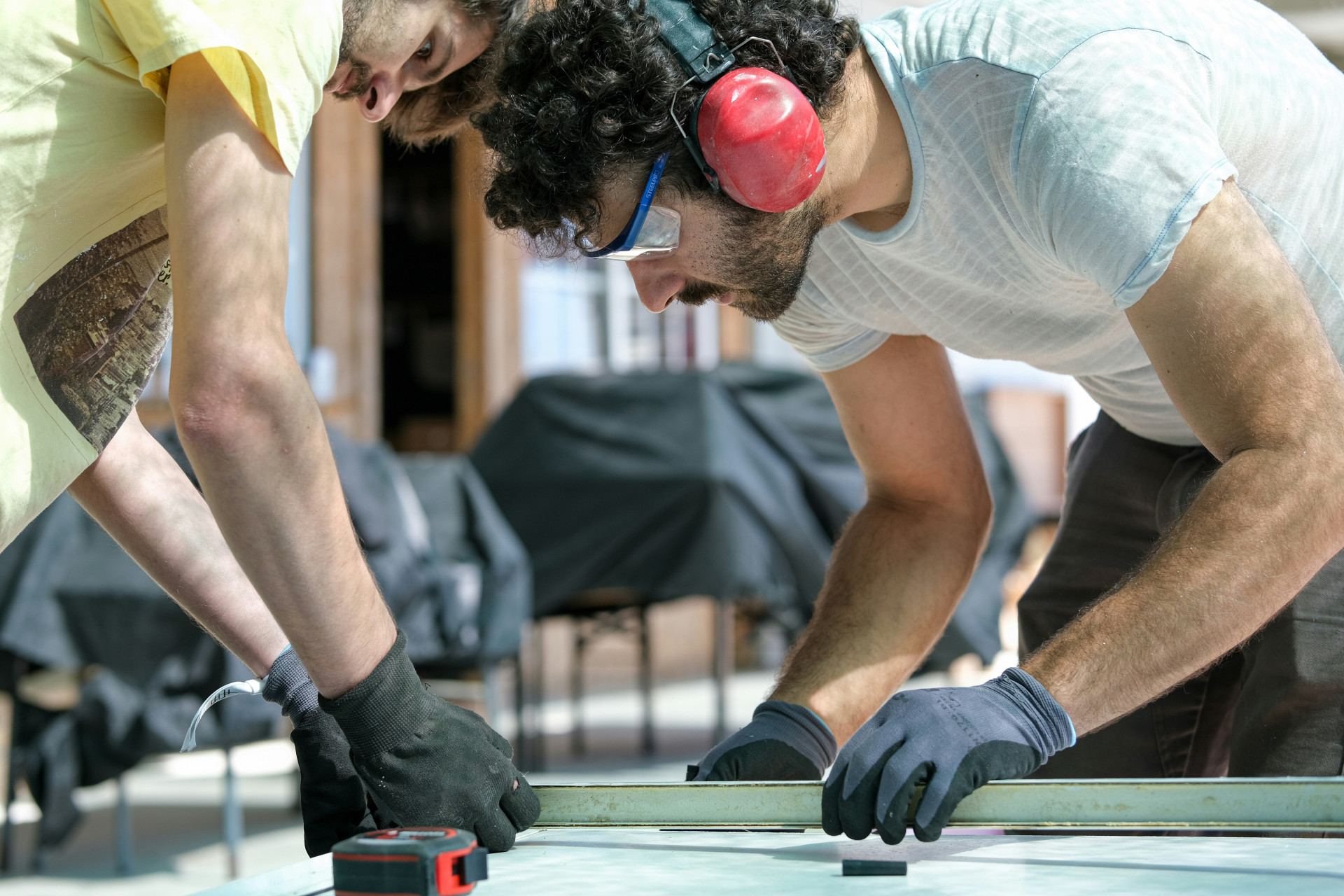
In an age when so much can be bought ready-made and mass-produced, craftsmanship stands as a symbol of authenticity, durability, and human touch. Craftsmanship is not only about building, repairing, or creating—it’s about uniting function, aesthetics, and quality in solutions that last for generations. Whether it’s the carpenter’s precise joints, the mason’s sense of proportion, or the furniture maker’s eye for detail, the work of skilled craftsmen remains an essential part of our daily lives and cultural identity.
Craftsmanship as Culture and Tradition
Craftsmanship has deep roots in American history. From colonial-era timber framing and hand-laid brickwork to modern architecture that blends wood, steel, and glass, every project reflects the hands and minds of professionals who balance tradition and innovation. Many trades are built on techniques refined over centuries, yet they continue to evolve with new materials and technologies.
It is this combination of experience and renewal that keeps craftsmanship alive. A skilled craftsman respects the old while embracing the new. This is where function and aesthetics meet—in creations that are both beautiful and practical.
Quality You Can Feel
When you hold a hand-built chair, walk up a custom staircase, or step into a well-constructed home, you can feel the difference. Quality in craftsmanship is not just about materials—it’s about time, precision, and pride. It’s the extra hour spent ensuring a perfect fit, or the care taken in selecting the right piece of wood.
In a world that often values speed and low cost, it’s worth remembering that good craftsmanship pays off in the long run. It lasts longer, requires less maintenance, and supports a more sustainable way of living. Choosing quality over convenience is an investment in durability and integrity.
Læs også:



The Partnership Between Craftsman and Client
A great result rarely happens by chance. It requires dialogue and trust between craftsman and client. When the craftsman understands the client’s needs and the client respects the craftsman’s expertise, a partnership forms that leads to the best possible outcome.
Today, many craftsmen find that their work involves as much consultation as execution. They help clients find solutions that fit budget, style, and function—while also considering environmental impact and energy efficiency. This makes the craftsman not just a builder, but a trusted advisor in everything from home renovation to new construction.
Craftsmanship in a Modern World
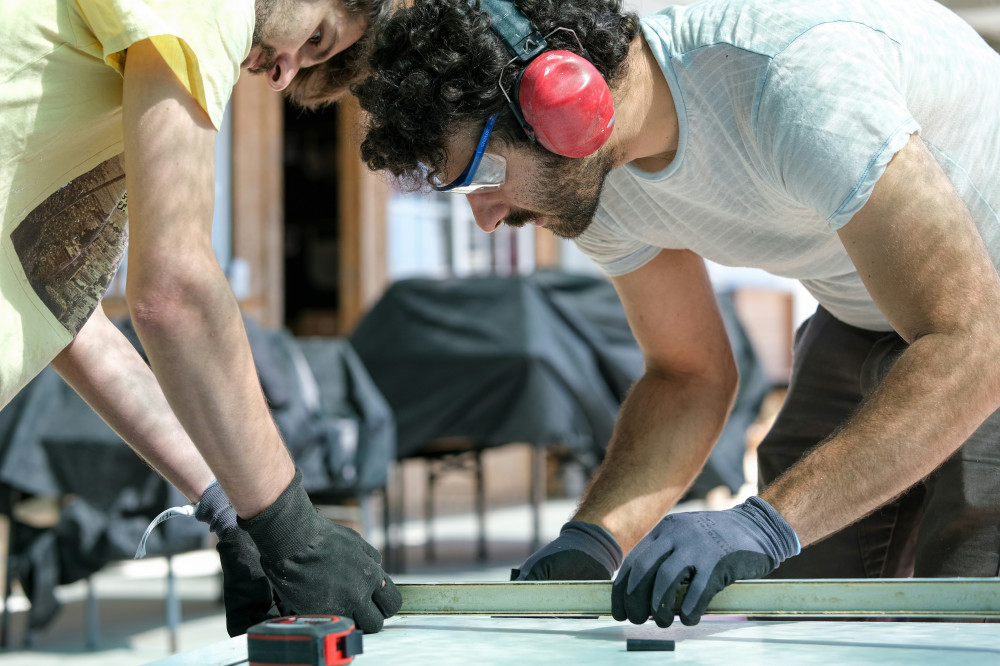
Although technology has transformed many industries, craftsmanship still depends on human skill. Digital tools like 3D modeling, laser cutting, and precision measuring have made work more efficient, but it’s still the craftsman’s experience and attention to detail that determine the final quality.
At the same time, there’s a growing appreciation for the handmade and the unique. More Americans are choosing local artisans, sustainable materials, and products that can be repaired rather than replaced. This movement reflects a more responsible and aesthetically conscious approach to building and consumption.
An Investment in the Future
Choosing good craftsmanship is not just an investment in a product—it’s an investment in people, expertise, and tradition. Every time we choose quality over quantity, we support a profession built on knowledge, experience, and passion.
The importance of craftsmen extends far beyond the visible results. They shape the spaces we live in, influence the way we experience our surroundings, and carry forward a culture where function, aesthetics, and quality truly go hand in hand.
Læs også: