Tours Explained: How They Differ from Other Types of Travel


Tours Explained: How They Differ from Other Types of Travel
When planning a vacation, travelers often face a familiar question: should you book a resort stay, take a road trip, or join a tour? In recent years, tours have become increasingly popular among American travelers who want to experience more than just a single destination. But what exactly defines a tour, and how does it differ from other ways of traveling?
What Is a Tour?
A tour is a type of travel that involves moving from place to place along a planned route, often with a specific theme or focus. Instead of staying in one location for the entire trip, travelers visit multiple cities, regions, or even countries. Transportation, accommodations, and activities are usually arranged in advance—either by a tour operator or by the travelers themselves.
Tours can be guided and structured, or they can be self-directed and flexible. What unites them is that the journey itself—the movement between destinations—is a central part of the experience.
Experiences Over Relaxation
While a resort vacation often centers on relaxation and comfort in one spot, tours are about exploration and discovery. They appeal to travelers who want to see and learn as much as possible—whether that means exploring history, culture, nature, or cuisine.
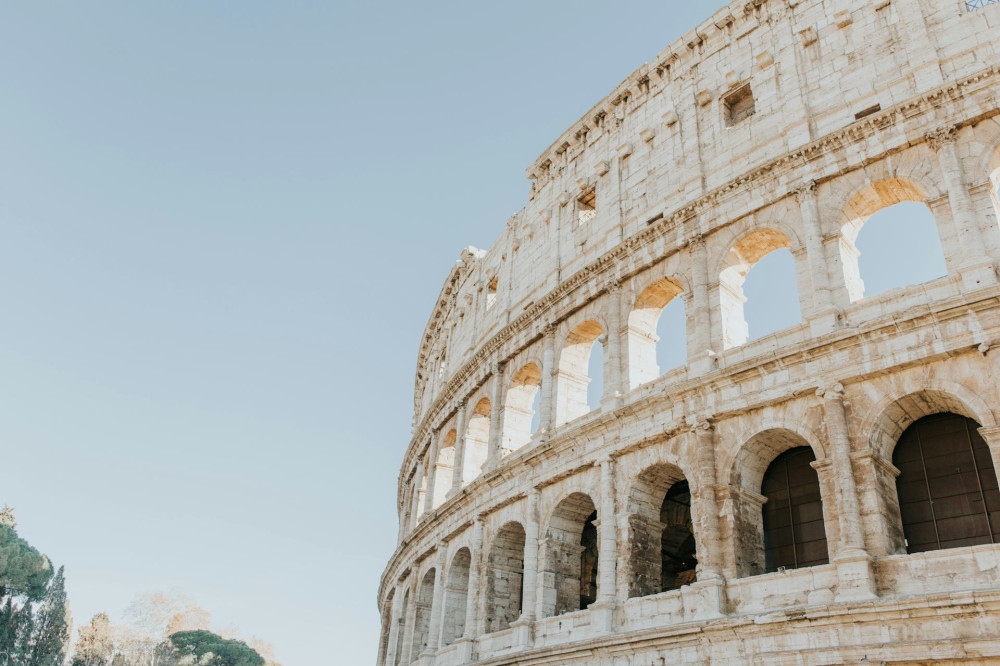
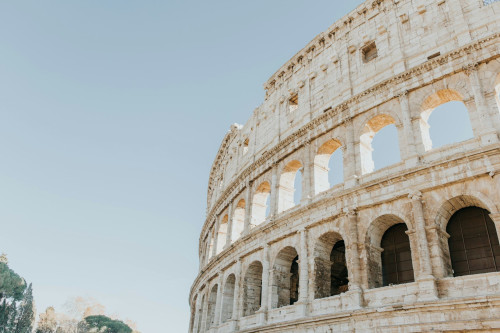
For example, a tour of Italy might take you from the ancient ruins of Rome to the vineyards of Tuscany and the colorful villages of the Amalfi Coast. In the U.S., a Southwest tour could include the Grand Canyon, Monument Valley, and the red rocks of Sedona. The variety and depth of experiences are what make tours so appealing.
Guided vs. Independent Tours
There are two main types of tours: guided and independent.
-
Guided tours are organized by travel companies and typically include transportation, lodging, excursions, and a professional guide. They’re ideal for travelers who value convenience, structure, and expert insight. You don’t have to worry about logistics, and you often gain access to experiences or local knowledge that would be hard to find on your own.
-
Independent tours are planned by travelers themselves. You decide the route, pace, and activities. This approach requires more preparation but offers greater freedom. It’s perfect for those who enjoy spontaneity, want to travel at their own speed, or prefer to mix different modes of transportation.
The choice often comes down to personality: do you prefer comfort and community, or independence and flexibility?
Læs også:



Transportation as Part of the Experience
On a tour, getting from one place to another isn’t just a necessity—it’s part of the adventure. A train ride through the Rockies, a bus journey along the California coast, or a river cruise through Europe each offers unique perspectives on the landscape and culture.
Many tours combine several forms of transportation, allowing travelers to experience both major cities and remote areas. This movement and variety are what set tours apart from more stationary vacations.
Benefits and Challenges
Tours offer many advantages—but also a few challenges worth considering.
Benefits:
- You see more in a shorter amount of time.
- You gain a broader understanding of a region or culture.
- You meet people from different backgrounds.
- You often enjoy a more seamless travel experience.
Challenges:
- Frequent travel days can be tiring.
- There’s less time to linger in one place.
- Following a fixed schedule can limit spontaneity.
For many travelers, though, the dynamic pace and diversity of experiences are exactly what make tours so rewarding.
Who Are Tours For?
Tours suit travelers who are curious, adventurous, and eager to make the most of their time away. They work well for solo travelers, couples, and groups alike—and can range from budget-friendly to luxury-level experiences.
Some people use tours as an introduction to a country or region, returning later to spend more time in their favorite spots. Others simply enjoy the rhythm of constant discovery and movement.
A Travel Style Full of Possibilities
Tours come in countless forms—from cultural journeys through Europe to wildlife safaris in Africa, hiking adventures in South America, or classic American road trips along Route 66. What they all share is a focus on exploration and connection.
Whether you join a guided group or design your own itinerary, touring allows you to see more, learn more, and experience more. It’s travel in motion—where the journey itself is just as meaningful as the destinations along the way.
Læs også: