Use the Travel Guide the Right Way – Get an Overview Before You Book Your Trip

Use the Travel Guide the Right Way – Get an Overview Before You Book Your Trip
When wanderlust strikes and you start dreaming of beaches, mountain trails, or bustling cities, it’s tempting to hit “book now” right away. But before you commit, a travel guide can be your best ally. It helps you get a clear overview of destinations, prices, transportation, and experiences—and can save you time, money, and disappointment. Here’s how to use a travel guide the right way so you can make the most of your next adventure.
Start by Defining What You’re Looking For
Before diving into the endless options a travel guide offers, take a moment to clarify what kind of trip you want. Are you after relaxation, culture, nature, or adventure? How far are you willing to travel, and what’s your budget?
Make a list of your priorities—climate, travel time, cost, and activities. This will help you use the guide more effectively and avoid getting overwhelmed by too many choices.
Use the Travel Guide as a Tool—Not a Rulebook
A good travel guide provides inspiration and facts, but it shouldn’t make decisions for you. Use it as a starting point for your own research. Read about destinations, but also check multiple sources—official tourism websites, travel blogs, and reviews from other travelers.
Keep in mind that some guides are commercial and may highlight certain hotels or tour companies. That doesn’t mean the recommendations are bad, but it’s worth knowing who’s behind the information.
Læs også:



Compare Destinations and Travel Seasons
A travel guide can help you figure out when it’s best to go. Many destinations have big price differences depending on the season, and weather conditions can vary more than you might expect.
- Low and high season: Check when there are fewer tourists and lower prices.
- Climate: Look up temperatures, rainy seasons, and daylight hours to avoid unpleasant surprises.
- Events: Some cities host festivals or holidays that can make your trip either more exciting or more crowded.
By comparing destinations and travel times, you can find the combination that best fits your budget and preferences.
Dive Into the Practical Details
A travel guide isn’t just for daydreaming—it’s also a practical tool. Use it to check:
- Passport and visa requirements
- Vaccinations and health advice
- Transportation options—both to and within your destination
- Safety and local customs
- Currency and payment methods
The more you know about the practical side, the easier it will be to plan and avoid stress as your departure date approaches.
Read Between the Lines in Reviews
Many travel guides include user reviews, which can be incredibly helpful—but also misleading. Read several and look for patterns: if multiple people mention the same issue or praise, it’s usually a good indicator of what to expect.
Also, check when the reviews were written. A hotel that was great five years ago might not be the same today.
Use Maps and Overviews Actively
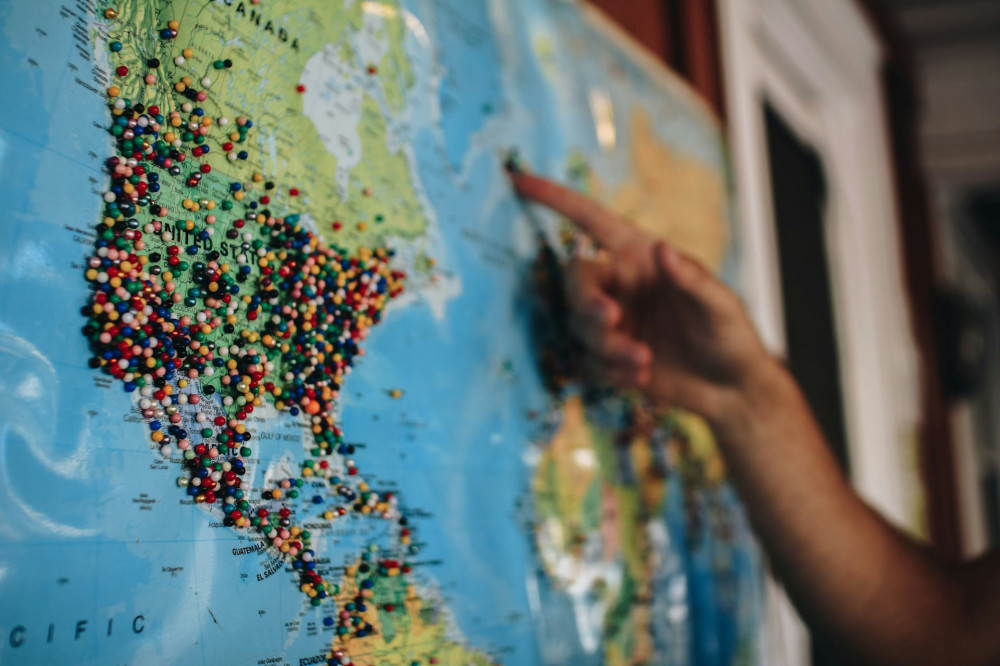
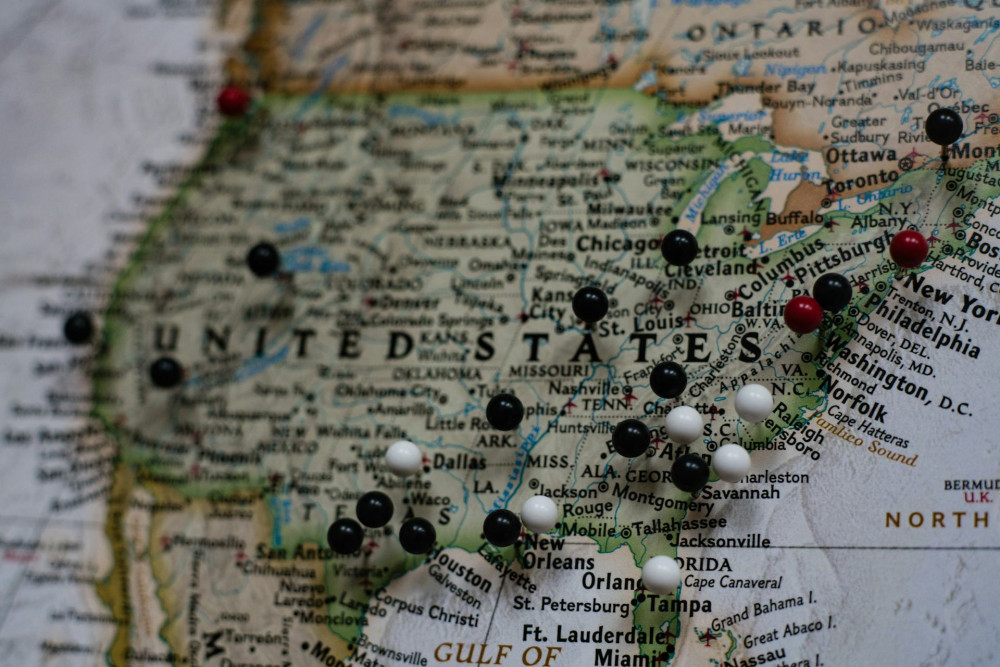
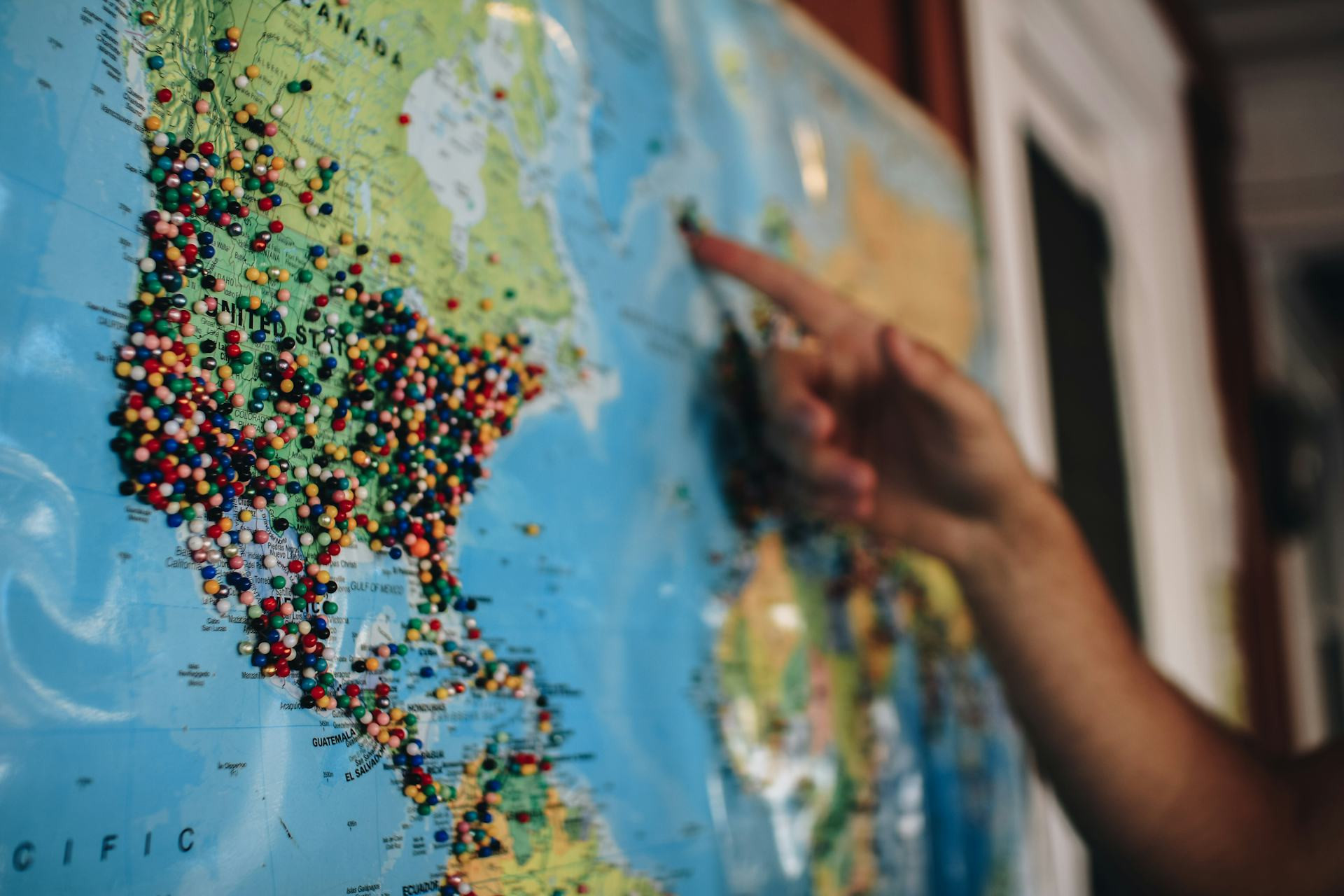
Most modern travel guides include interactive maps showing distances, transportation options, and attractions. Use them to plan your route and get a sense of how far apart your must-see spots really are.
Maps can also help you choose the right area to stay in—close to what you want to experience, but maybe a bit away from the busiest tourist zones.
Combine Online and Offline Sources
Even though most people rely on digital travel guides today, a printed guidebook can still be useful—especially in places with limited internet access. Combining both gives you the best of both worlds: up-to-date information online and a reliable overview offline.
Make the Travel Guide Your Own
Take notes, save links, and mark your favorite spots in the guide. That way, it becomes a personal planning tool you can return to—both during your trip and for future travels.
When you use a travel guide actively and critically, you don’t just plan a better trip—you create a more mindful travel experience. You learn to choose with intention, making your journey more rewarding, memorable, and sustainable.
Læs også: