Tradition, Emotions, and Environmental Considerations – Finding Balance as a Loved One Saying Goodbye

Tradition, Emotions, and Environmental Considerations – Finding Balance as a Loved One Saying Goodbye
When a loved one passes away, families are faced with decisions that touch on deep emotions, long-held traditions, and practical realities. In recent years, environmental awareness has also become an important part of how Americans think about funerals and memorials. How can we honor the person we’ve lost, stay true to our values, and make choices that are mindful of the planet?
The Comfort of Tradition
Rituals and traditions can bring a sense of stability in a time of grief. A church service, familiar hymns, or a gathering at a funeral home can provide structure and comfort when everything else feels uncertain. These customs connect us to generations before us and remind us that we are part of something larger than ourselves.
Yet traditions can also evolve. Some families choose to hold a memorial in a park, at the beach, or even in their own backyard. Others incorporate personal touches—favorite songs, readings, or displays of photographs and mementos. What matters most is that the farewell reflects the life and spirit of the person being remembered, and that it feels authentic to those who gather to say goodbye.
Emotions at the Heart of Farewell
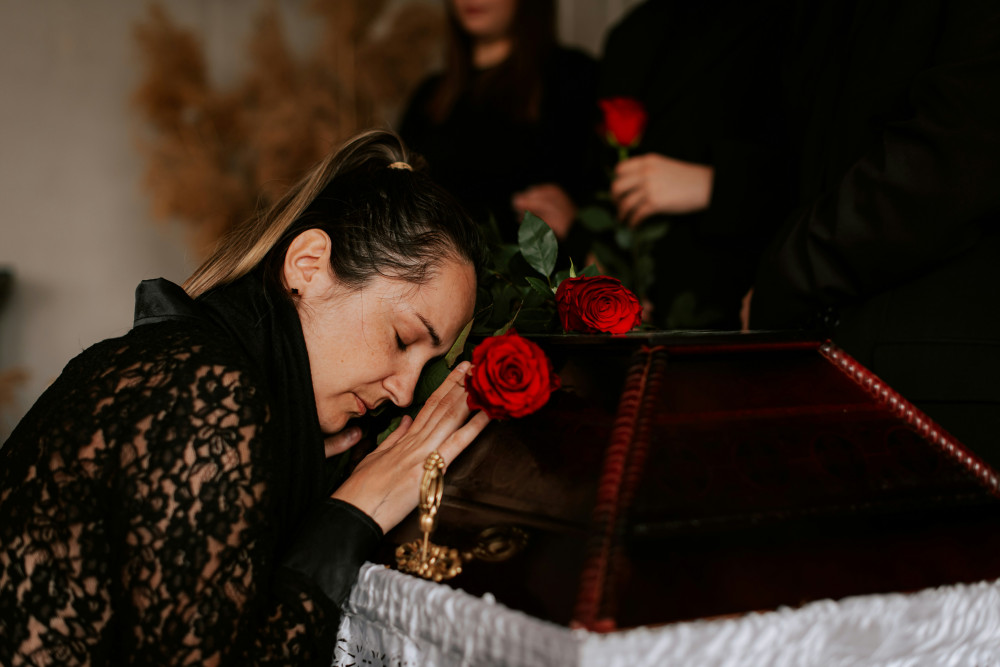
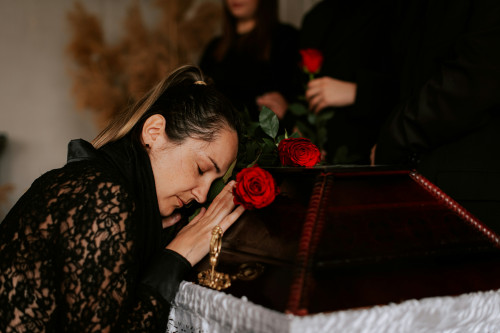
Grief is deeply personal, and there is no single “right” way to say goodbye. For some, following every traditional step brings comfort. For others, creating a more personal or unconventional ceremony feels truer to their loved one’s memory. Writing a eulogy, sharing stories, or inviting children and grandchildren to participate can make the experience more meaningful.
Open communication within the family can help. Different generations or faith perspectives may have different expectations, and it’s natural for those to sometimes clash. Talking through what feels important to each person can lead to a ceremony that honors both the deceased and the living—one that brings peace rather than conflict.
Læs også:
Considering the Environment
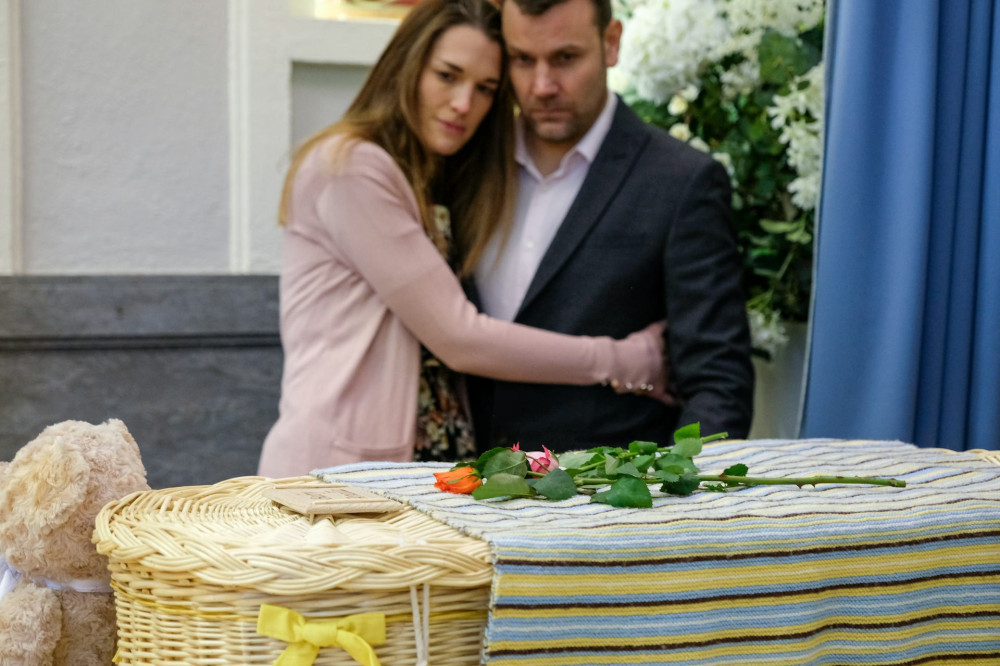
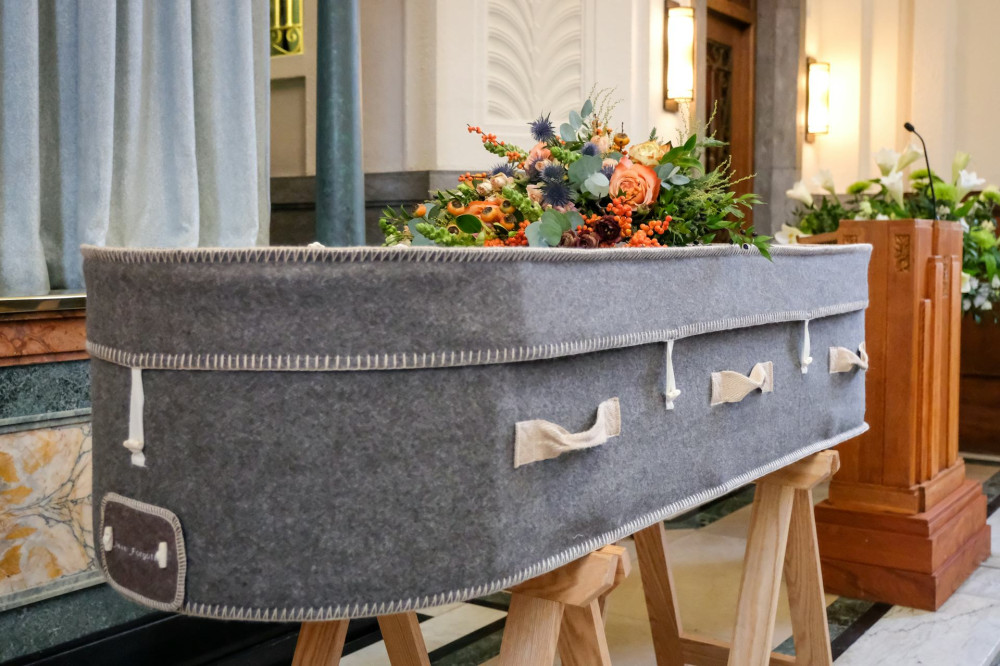
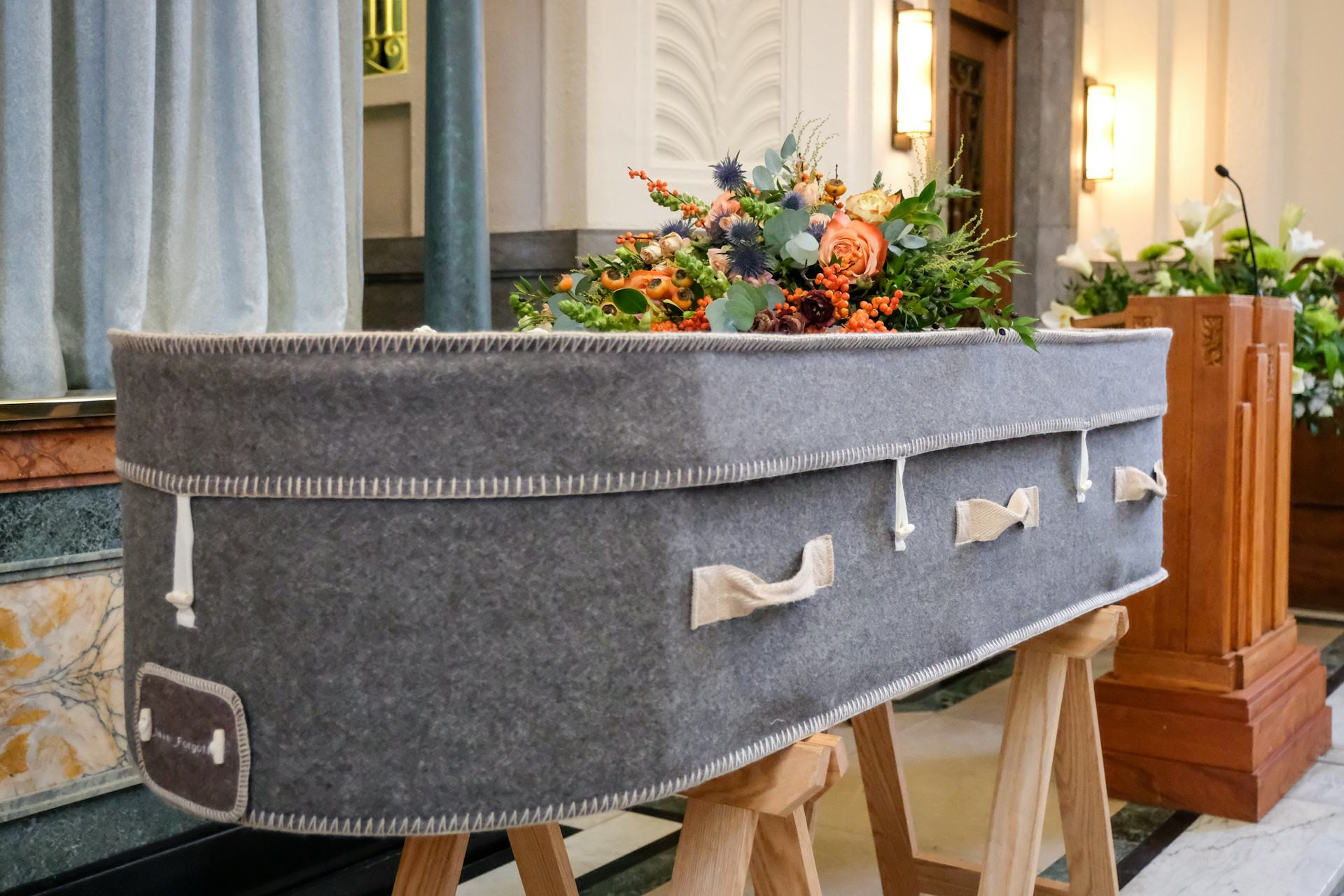
More Americans are thinking about how end-of-life choices affect the environment. From the type of casket or urn to the location of the burial or memorial, there are many ways to make a farewell more sustainable.
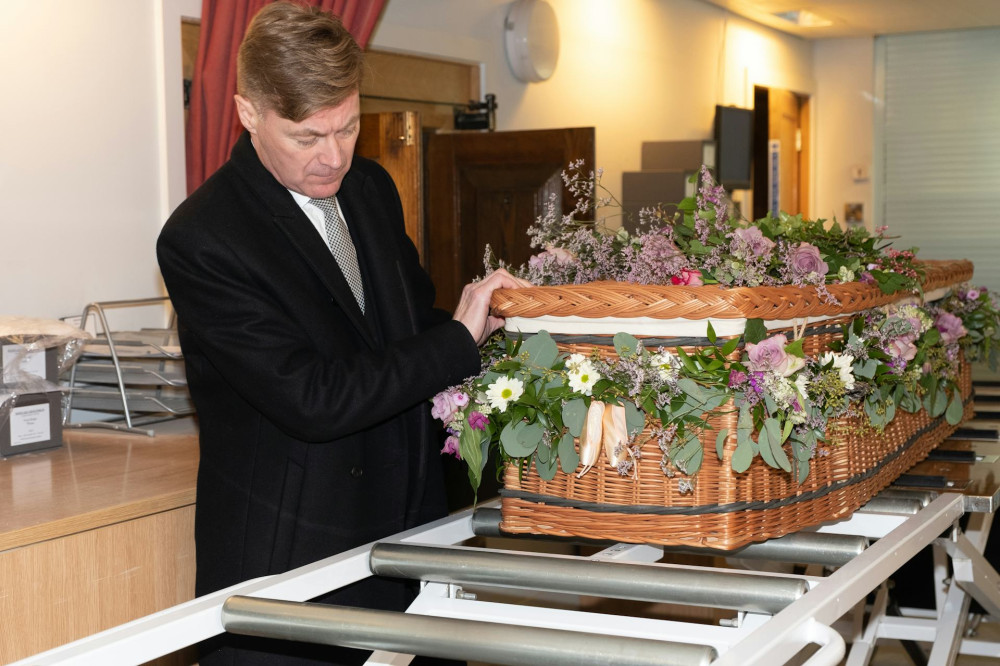
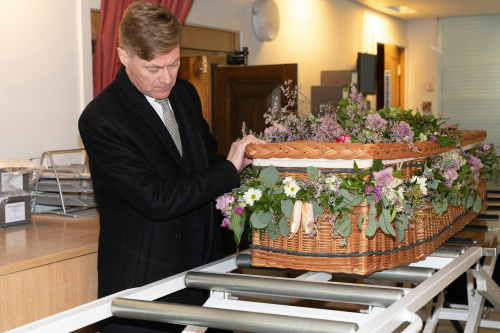
- Eco-friendly caskets and urns made from biodegradable materials such as untreated wood, bamboo, or recycled paper are becoming more available.
- Green burials—where the body is laid to rest without embalming chemicals and in a natural setting—allow the remains to return gently to the earth.
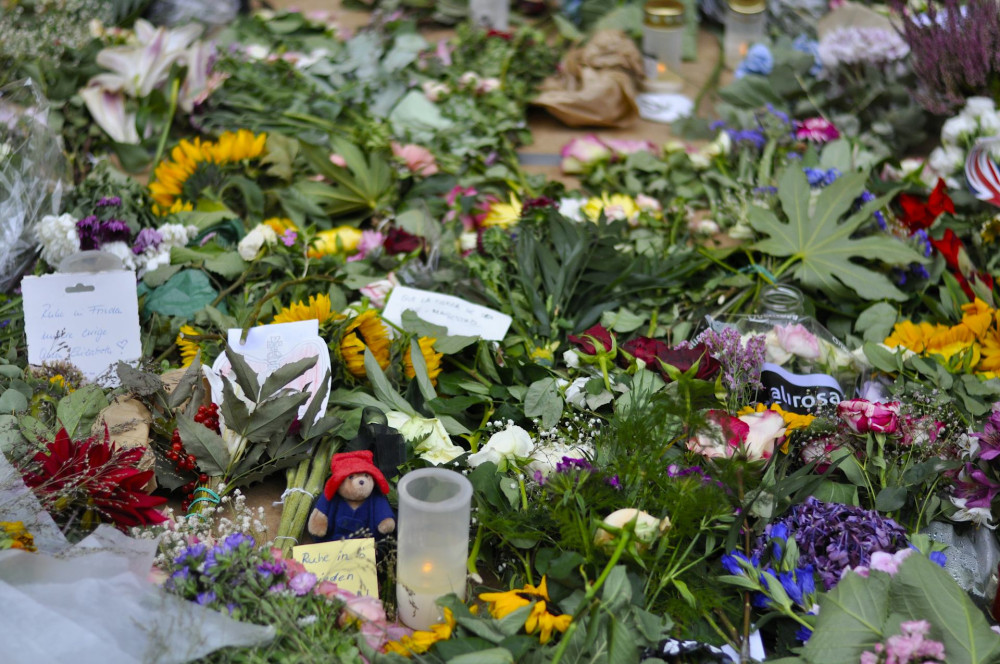
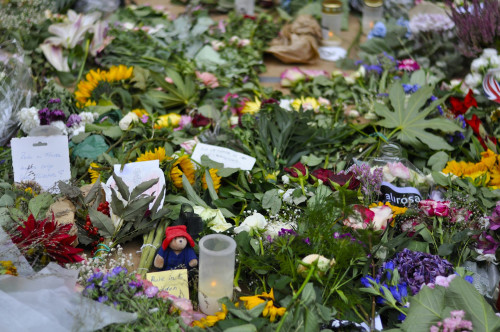
- Floral choices can also make a difference: locally grown, seasonal flowers and minimal use of plastic or foam reduce waste.
- Transportation and catering can be planned with care—carpooling, choosing local vendors, or serving plant-based foods can all lower the environmental footprint.
These choices don’t have to conflict with tradition or emotion. In fact, they can add a sense of purpose and continuity, showing love not only for the person who has passed but also for the world they leave behind.
The Importance of Conversation
Talking about death is never easy, but open conversations can bring clarity and comfort. Discussing wishes in advance—whether about burial, cremation, or memorial style—can ease the burden on family members later. If those conversations didn’t happen, funeral directors, clergy, or celebrants can offer guidance and help families find a balance between honoring tradition, expressing emotion, and caring for the environment.
A Thoughtful Goodbye
Saying goodbye is ultimately an act of love. In the midst of sorrow, it can be reassuring to know that the choices made reflect care—for the person who has passed, for those who remain, and for the world we share. There is no single formula for the “right” farewell. The balance lies in what feels genuine to you and your family—in the personal, the heartfelt, and the mindful.
Læs også: