What Is an Urn? The Difference Between Urns and Other Burial Options

What Is an Urn? The Difference Between Urns and Other Burial Options
When a loved one passes away, families are faced with many decisions about how to honor their memory. One of the most common choices today is cremation, often followed by the use of an urn. But what exactly is an urn, and how does cremation differ from other burial options available in the United States?
What Is an Urn?
An urn is a container designed to hold the ashes (also called cremated remains) of a person after cremation. Once the cremation process is complete, the ashes are placed in an urn, which can then be buried, kept at home, placed in a columbarium niche, or used for scattering ceremonies.
Urns come in a wide variety of materials and styles—ranging from traditional metal or ceramic to eco-friendly options made from wood, bamboo, or biodegradable materials. The choice of urn often reflects personal taste, environmental values, or the personality of the person being remembered.
Læs også:
Cremation and Urn Burial – A Flexible and Modern Option
Cremation has become increasingly popular in the United States over the past few decades. According to the Cremation Association of North America, more than half of Americans now choose cremation over traditional burial. One reason is flexibility: families can plan a memorial service at a later date, allowing time for relatives to travel or make arrangements.
There are several ways to handle cremated remains:
- Burial of the urn – The urn can be buried in a cemetery plot or placed in a family grave.
- Placement in a columbarium – A columbarium is a structure with niches designed to hold urns, often located in cemeteries or churches.
- Scattering of ashes – Families may choose to scatter ashes in a meaningful location, such as at sea, in a garden, or another place permitted by local laws.
- Keeping the urn at home – Some families prefer to keep the urn in their home as a personal memorial.
Cremation and urn burial often cost less than a traditional casket burial and require less space, which can be appealing for both practical and environmental reasons.
The Difference Between Urn and Casket Burial
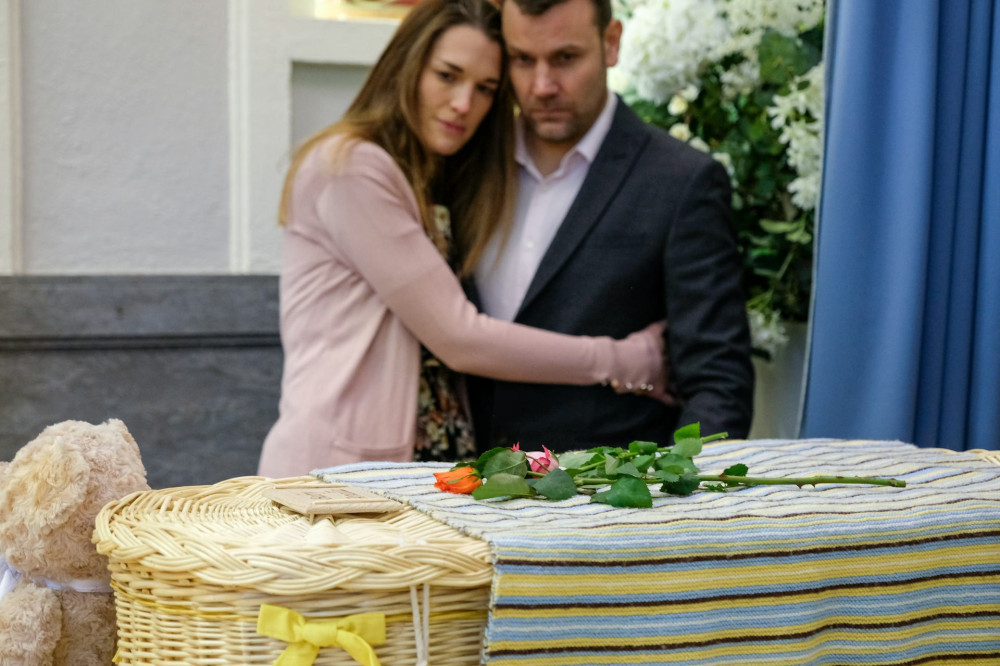
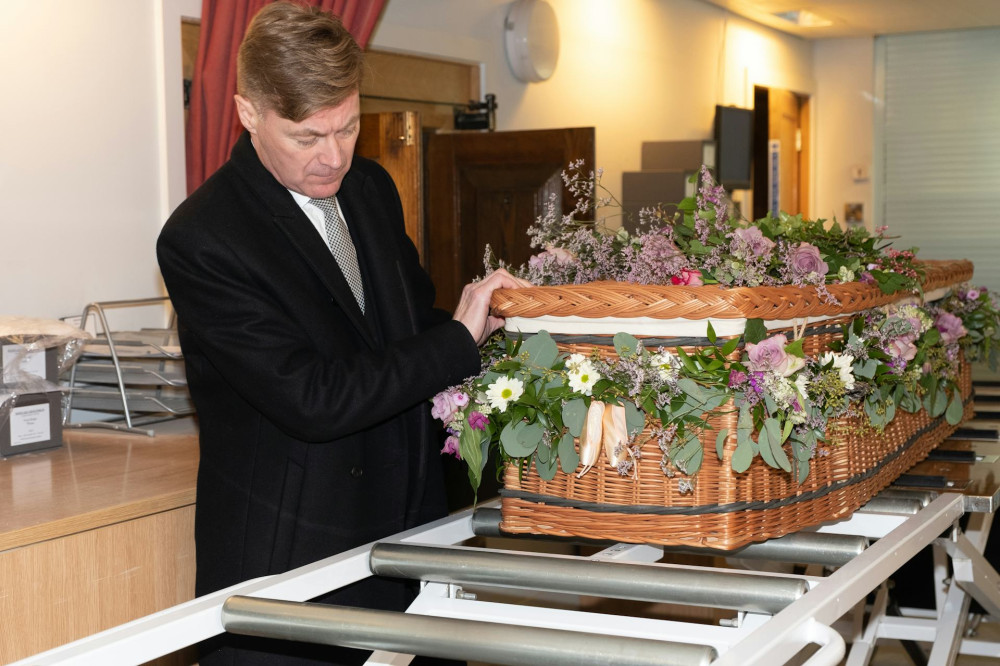
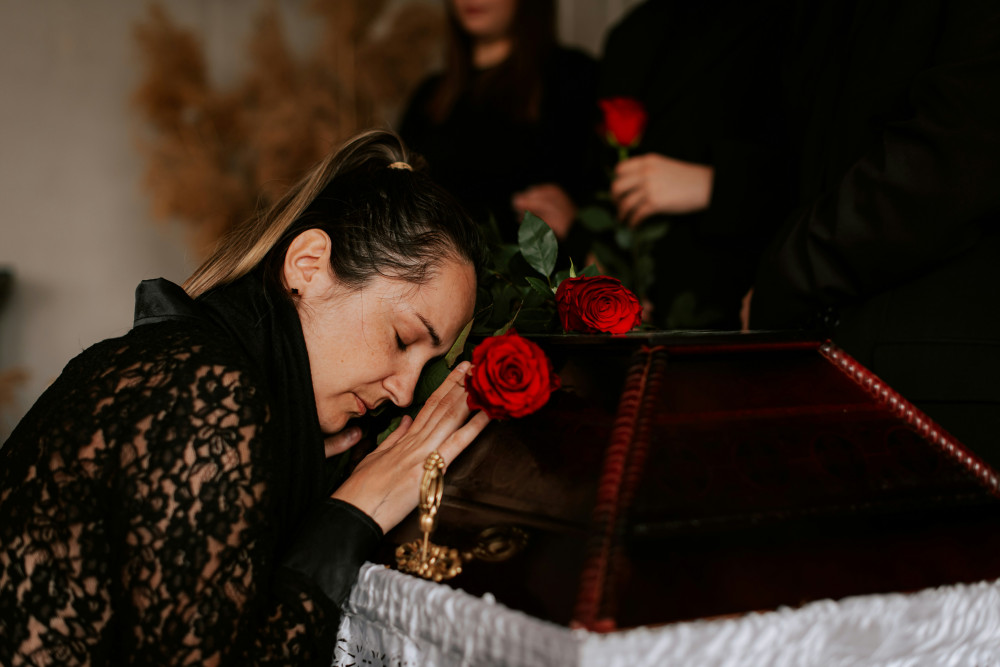
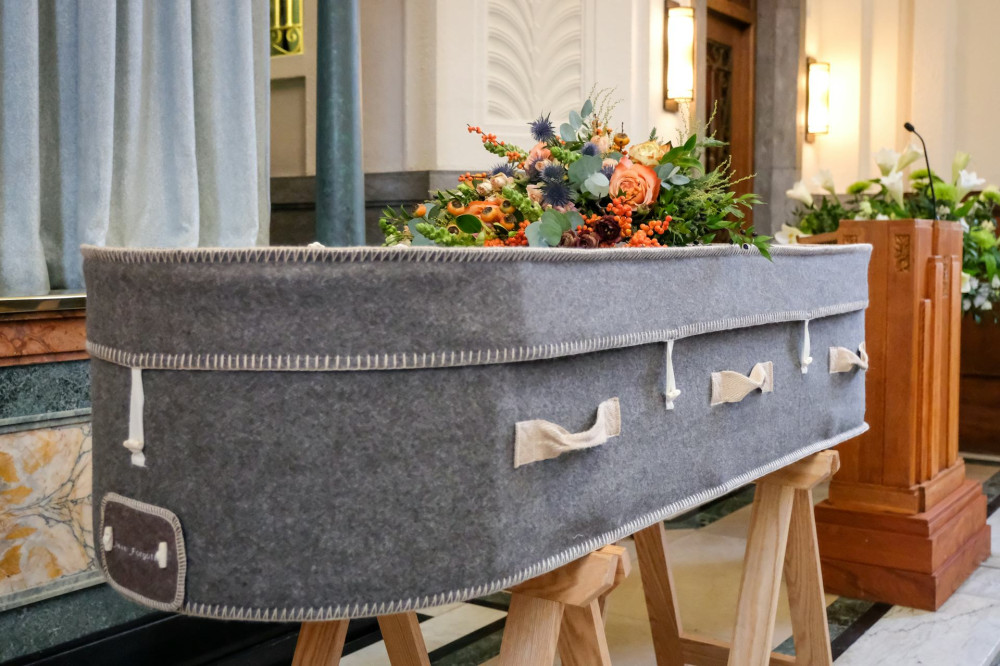
The main difference lies in how the body is handled. In a casket burial, the body is placed in a casket and buried directly in the ground. In a cremation, the body is cremated first, and the ashes are then placed in an urn.
There are also differences in ceremony, cost, and symbolism:
- Ceremony: A casket burial typically includes a graveside service, while a cremation service may take place before or after the cremation, depending on family preference.
- Gravesite: An urn burial requires a smaller plot and less maintenance than a full-size grave.
- Cost: Cremation is generally more affordable, as it eliminates the need for an elaborate casket and large burial plot.
- Symbolism: Some families find comfort in the traditional nature of a casket burial, while others appreciate the simplicity and modern feel of cremation.
Ultimately, the choice often depends on personal beliefs, family traditions, and the wishes of the deceased.
New and Alternative Memorial Options
In addition to traditional burials and cremations, new and creative memorial options are becoming more common in the U.S. Some families choose green burials, where biodegradable urns are buried in natural settings such as conservation areas or memorial forests. Others opt for scattering ceremonies, which can be deeply symbolic and personal.
There are also biodegradable urns that dissolve naturally in soil or water, leaving minimal environmental impact. Some even contain tree seeds, allowing a living memorial to grow in honor of the deceased. These choices reflect a growing awareness of sustainability and a desire for meaningful, eco-conscious farewells.
What to Consider When Choosing
When deciding between cremation, burial, or another option, it’s important to consider the wishes of the deceased, if known. Many people now record their preferences in advance or discuss them with family members to make future decisions easier.
Families may also want to think about:
- Whether they want a permanent place to visit and remember their loved one
- Religious or cultural traditions that influence the choice
- The desired level of ceremony or simplicity
- Budget and long-term maintenance considerations
Taking time to reflect on these questions can help create a farewell that feels personal and meaningful.
A Personal Way to Say Goodbye
Whether you choose cremation with an urn, a traditional burial, or another form of memorial, the most important thing is that the farewell reflects the life and values of the person being remembered. An urn can symbolize peace, simplicity, and connection to nature—but above all, it represents love and remembrance.
In the end, it’s not the form of the farewell that matters most, but the meaning behind it. Each choice offers a way to honor a life well lived and to say goodbye in a way that feels right for those left behind.
Læs også: